When you set up recall in most dental software, you’re handed a short menu: hygiene recall, reactivation, birthday, review request, maybe post-op and a treatment-plan nudge. Five to ten campaign templates, the same handful everywhere. It covers the obvious cases and quietly leaves the rest of your production on the table. The list of dental recall programs a practice actually runs in a year is far longer than that menu — and the gap between the ten you’re given and the twenty-eight you need is gap full of unfilled chairs and unrecovered production.
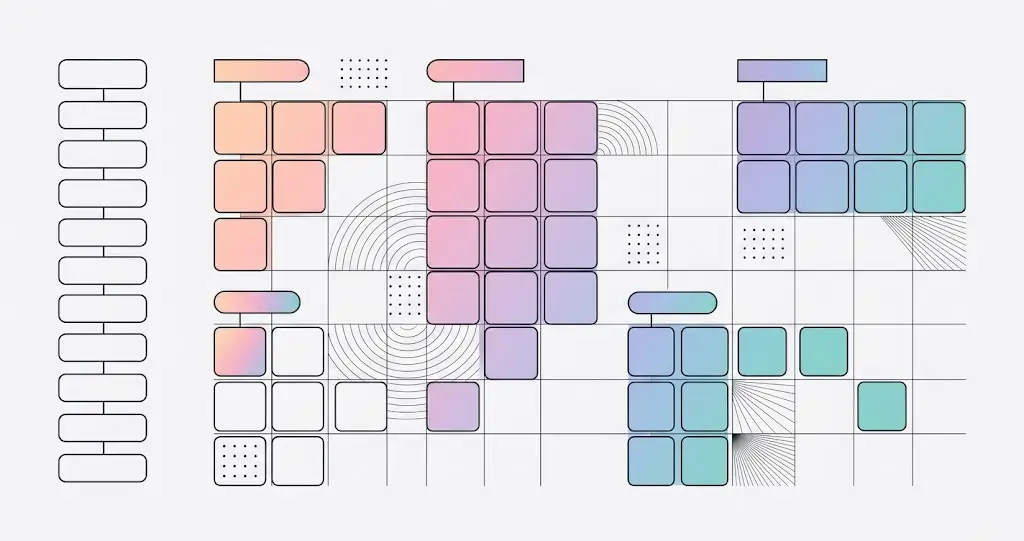
ELVA ships 28 pre-built recall programs, each clinically and operationally grounded and ready on day one — a clinical team’s playbook, not a marketing gallery. They span five jobs.
Dental Recall Programs: The Five Jobs the 28 Cover
- Preventive & routine care — hygiene recall, annual comprehensive exam, oral cancer screening, seasonal fluoride for adults who benefit clinically, and age-triggered pediatric milestones (sealants, ortho eval, wisdom-teeth check).
- Schedule protection — multi-step appointment confirmation, pre-appointment preparation (forms, history, insurance done before arrival), compassionate no-show follow-up, and real-time waitlist-and-cancellation fill that sends a same-day opening to the waitlist instantly.
- Revenue recovery — treatment-plan follow-up for accepted-but-never-scheduled care, multi-visit treatment completion, escalating outstanding-balance reminders with payment links, tied to how to collect patient payments at time of service, the Q4 “use-it-or-lose-it” benefits-utilization push, lab-work-ready notifications, and cosmetic-service refresh.
- Reactivation, loyalty & growth — win-back for patients gone 12+ months — see how to reactivate dental patients, new-patient onboarding, birthday and appreciation touches, a referral program triggered after great visits, and membership-plan renewal.
- Clinical safety & specialty care — post-operative follow-up, pre-medication reminders, orthodontic monitoring, pregnancy dental care aligned with published guidance, emergency-visit follow-up, specialist-referral tracking, denture & prosthetic care, and sleep-apnea appliance follow-up.
The Dental Recall Programs That Prove the Depth
The first three jobs, most serious tools attempt in some form. The last one is where the daylight is. Pre-built programs for post-operative dental follow-up, pre-medication reminders (so a patient who needs antibiotic prophylaxis doesn’t get cancelled at the chair), pregnancy dental care triggered from medical history, orthodontic monitoring, denture and prosthetic care, and sleep-apnea appliance follow-up simply don’t exist as ready-made programs in the reminder tools. They require the system to understand clinical context, not just an appointment date — which is exactly what a recall built on practice intelligence can do and a timer can’t.
This is the difference between a recall menu assembled for marketing and one assembled by people who understand how a practice actually runs clinically. A birthday text is easy to template. A pre-medication reminder that prevents a cancelled appointment, or a post-op check that captures how a patient is doing and alerts your team, takes a system built for the job.
Pre-built isn’t pre-baked
Ready on day one doesn’t mean rigid. Each of the 28 is fully customizable — the timing, the audience, the channels, the message — and every message the program sends is composed individually by personalized patient communication, powered by ELVA’s AI brain for dental practices, and quality-checked before it goes out, so a “standard” program never sounds standard to the patient receiving it. The 28 give you a serious starting playbook; your practice shapes each one to how it works.
Which programs matter most depends on where your schedule leaks — and you don’t have to pick by hand from a list. The next pieces cover how you target the exact patients each program should reach and how the sequences adapt as patients respond. See how the 28 fit the wider engine in reminders vs. a recall engine.
Frequently Asked Questions
How many recall programs does ELVA include?
28 pre-built dental recall programs, each clinically and operationally grounded and ready on day one, spanning five jobs: preventive and routine care, schedule protection, revenue recovery, reactivation and loyalty, and clinical safety and specialty care. Most reminder tools ship five to ten campaign templates by comparison.
What recall programs do most dental tools not include?
The clinical-safety and specialty programs: post-operative follow-up, pre-medication reminders, orthodontic monitoring, pregnancy dental care, denture and prosthetic care, and sleep-apnea appliance follow-up. These require understanding clinical context rather than just an appointment date, so timer-based reminder tools don’t pre-build them.
Are the 28 programs customizable or fixed?
Fully customizable. Pre-built means ready on day one, not rigid — the timing, audience, channels, and messaging of each program can be shaped to how your practice runs, and every message is composed individually rather than pulled from a fixed template.
What’s the difference between a recall program and an appointment reminder?
An appointment reminder is a timed nudge before a booked visit. A recall program is a complete patient-return motion for a specific situation — bringing lapsed patients back, recovering accepted treatment, filling cancellations, following up after surgery — with its own audience, sequence, and outcome goal.
Can a pre-medication reminder really prevent cancellations?
That’s its purpose: it reminds a patient who needs antibiotic prophylaxis or a medication hold to take the right step before the visit, so the appointment isn’t cancelled at the chair. It’s one of the clinical-safety programs that prompt and remind patients — coordinating care, not providing clinical advice.
See all 28 programs. Explore AI-assisted recall software, or how the programs reach the right patients via dental patient segmentation.