
Articles
Best practices for modern dental teams — patient communication, operations, billing workflows, and product updates from Elva.
Editor's picks
How to Compare Dental AI Vendors When Every Demo Sounds the Same
Sit through three dental AI demos and your notes become interchangeable — every vendor sounds identical. Here's how to compare dental AI vendors on what's real: five questions, on failure handling, PMS verification, data practices, system unification, and proof, that demos are built to avoid.
Read article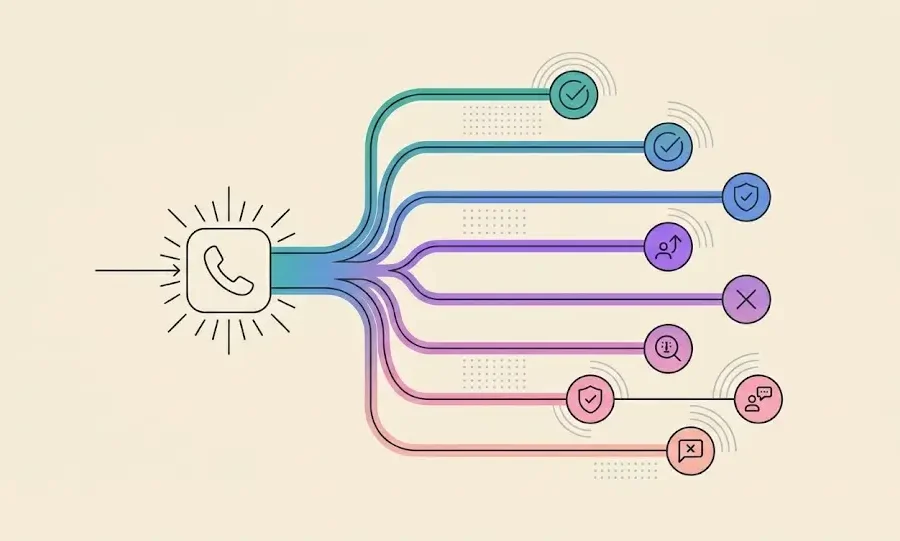
How to Actually Evaluate an AI Receptionist Before You Trust It With Patients
Every AI receptionist sounds great in a demo — the one call the vendor controls. Here's how to evaluate an AI receptionist on the calls they never show you: emergencies, insurance edge cases, and adversarial callers, with transcript-anchored proof.
Read article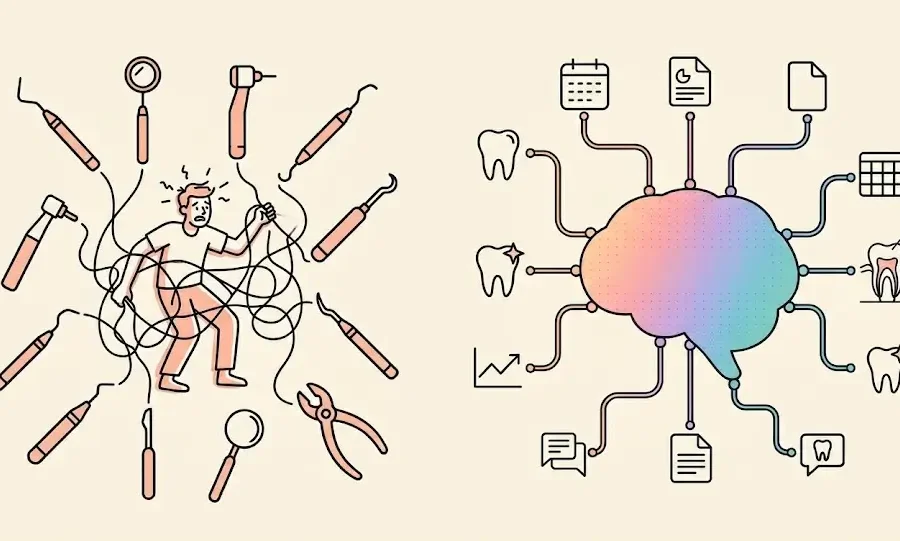
Your Practice Runs on Ten Disconnected Tools. Here’s the Unified Dental Practice Software That Finally Replaces Them.
Your practice logs into ten tools a day, and your staff are the glue between them — which is where revenue and time quietly leak. Unified dental practice software replaces the glue with one shared brain: the operating system your whole practice runs on, not another tab.
Read articleFrom the practice floor
What an AI Receptionist Costs a Dental Practice
Dental AI receptionist pricing runs $200–$900 a month, but per-minute, per-call, and flat-rate plans aren't directly comparable without doing the math on your own call volume. Here's how to actually compare them.
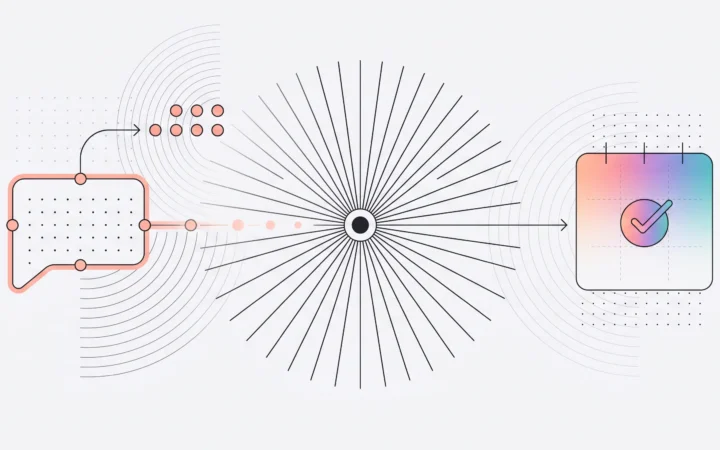
AI Receptionist vs. Answering Service for Dental Practices
A traditional answering service takes a message. A dental AI receptionist books the appointment during the call. Here's the real cost, speed, and integration comparison — including where a live answering service still wins.
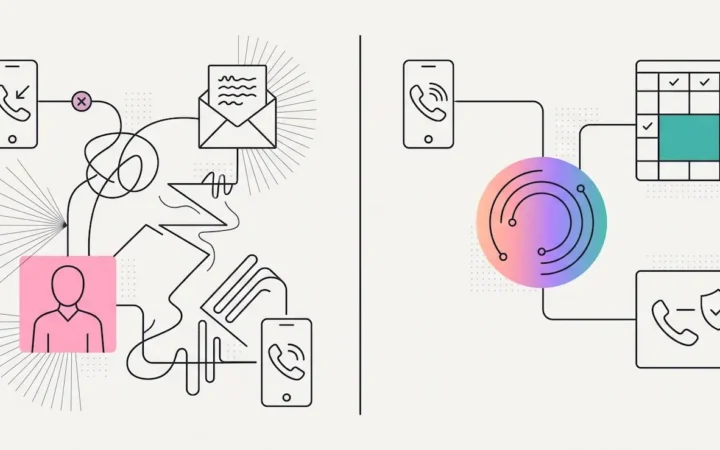
The Best AI Receptionist for Dental Offices in 2026: A Buyer’s Guide
Six best dental AI receptionists compared on what actually separates them: whether they write confirmed appointments into your PMS, whether they respect your scheduling rules when they do, and whether they work the phone in the other direction — calling carriers to verify benefits and chase claims.
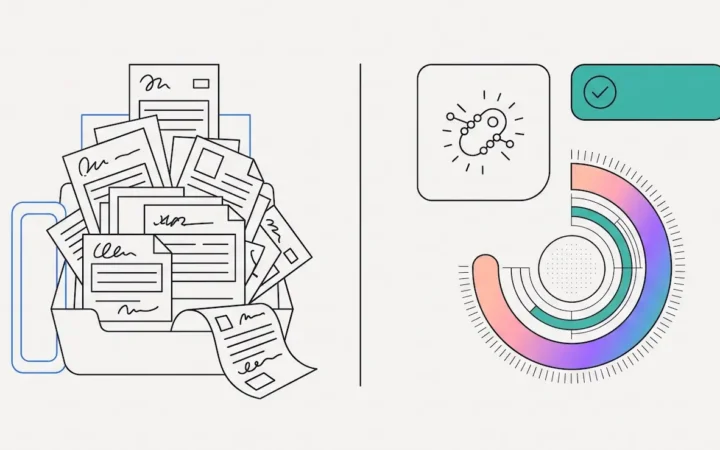
The $50k Bottleneck: Dental Prior Authorization Software for Growing Groups
When a patient accepts a comprehensive treatment plan, their clinical urgency is at its peak. If your staff takes 14 days to secure financial clearance, case acceptance drops dramatically. Discover how scaling practice groups use dental prior authorization software to eliminate manual faxes, speed up payer approvals, and recapture millions in lost revenue.
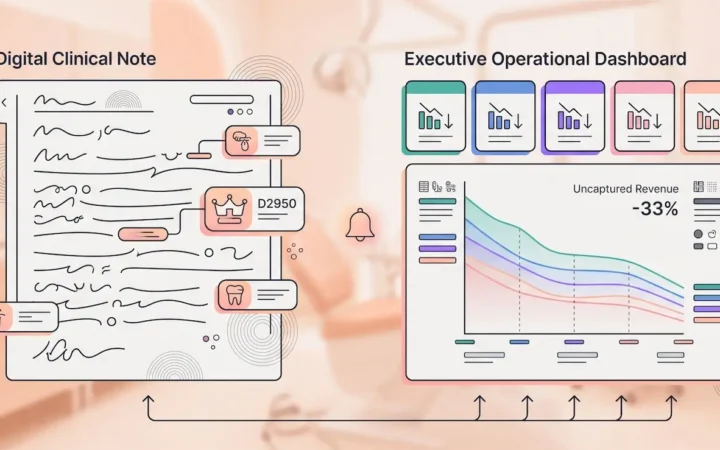
The Clinical Coding Blind Spot: Dental Clinical Coding Automation for 5+ Clinics
Audit five associate charts across your group and you'll spot the same silent margin leak: unbilled procedures, miscoded exams, and fear of insurance audits. Here is how scaling practice groups use dental clinical coding automation to catch omitted CDT codes chairside, standardize associate production, and protect EBITDA without manual chart reviews.
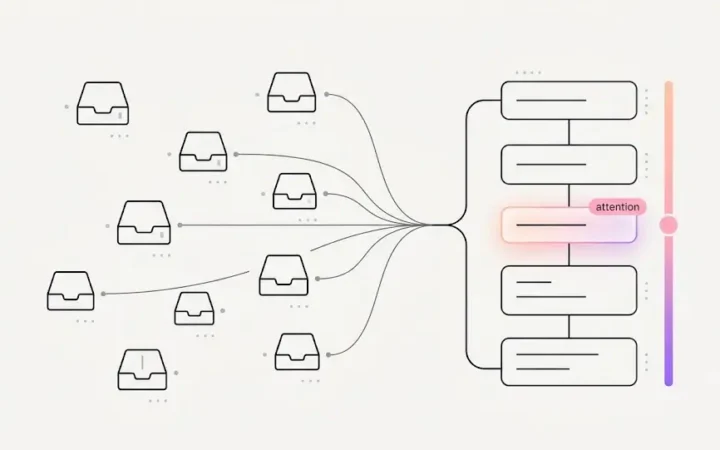
A Dental Triage Inbox Replaces Ten Inboxes With One Ranked List
Channels are plumbing; attention is the product. The triage inbox is ELVA's most distinctive idea explained as an idea: one list of everything needing a human — pre-read, patient-attached, ranked by your standards — fed by every channel, so "is anything waiting?" finally has a checkable answer.
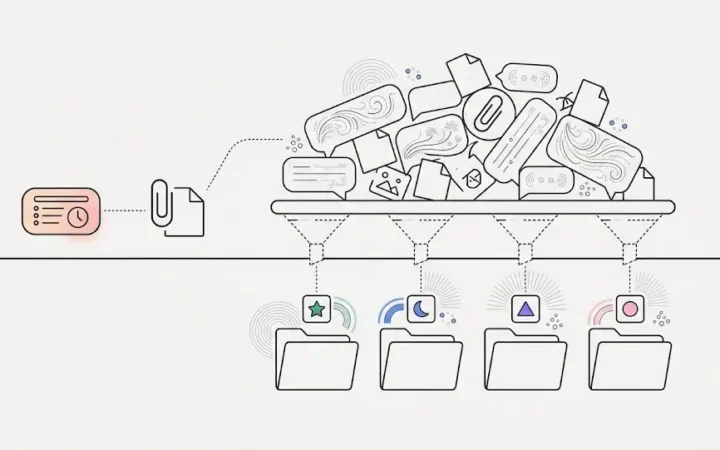
Dental Email Management Without Handing Your Inbox to a Vendor’s Servers
Whoever opens the practice inbox becomes a filing clerk — and most tools "fix" it by copying your entire email history onto their servers. Here's both problems solved: AI-maintained folders, one-line digests, replies governed by your rules, and digests-not-archives privacy with attachments never copied.
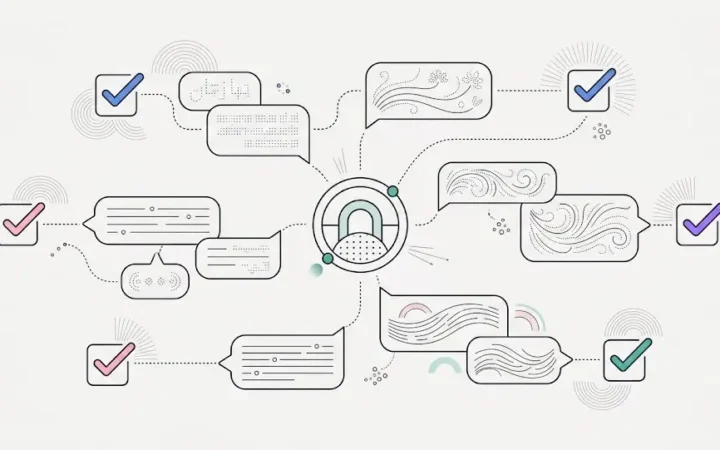
A Practice That Speaks the Patient’s Language Keeps the Patient
The patient navigating care in their second language doesn't complain — they ask fewer questions, postpone treatment, and quietly drift to the practice where someone speaks their language. Here's how every conversation, booking, and reminder meets patients in their own words, automatically.
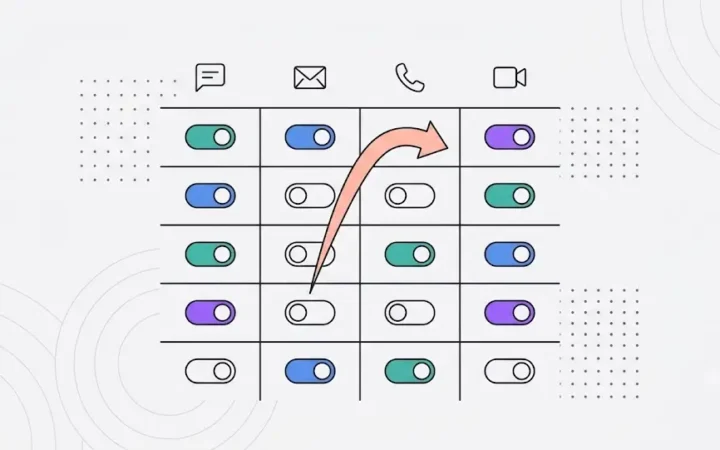
You Decide Exactly What the AI May Do — Channel by Channel
The owner's real question isn't "is it smart?" — it's "what exactly is it allowed to do in my name?" Here's the answer as a list you can read: every capability toggled per channel, off-channel requests gracefully redirected, sensitive replies held for approval, and every action on a timestamped record.