
Patient Growth
Patient Growth
Dental Treatment Opportunities Get Lost When Every Appointment Looks the Same
The most valuable hours on the schedule quietly get the most generic handling — because on a flat grid, every appointment looks the same size. Here's weight made visible: big-case flags days ahead, walk-in/walk-out guidance on every visit, and the day's actionable value as a number.
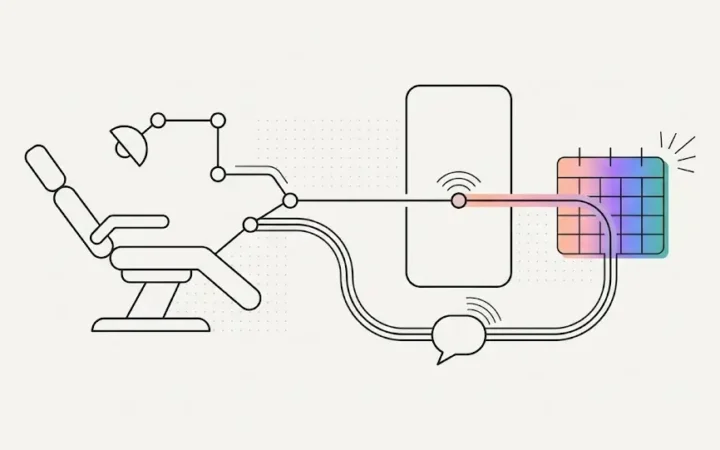
Treatment Plan Follow-Up: The Case Isn’t Lost, the Follow-Up Never Happened
The consult went fine; the patient was interested; life happened. Here's how the momentum gap closes: the plan on their phone with a one-tap accept, instant answers back to the team, and follow-up for the undecided that's written for that specific person — running until they act, stopping when they do.

Why Patients Decline Dental Treatment: It’s Confusion, Not Rejection
The chart says "declined," but that's almost never what happened. Patients decline confusion, cost uncertainty, invisible urgency, pressure, and dropped follow-up — five frictions, every one fixable by the practice. Here's the taxonomy, and what's deliberately not on the list.
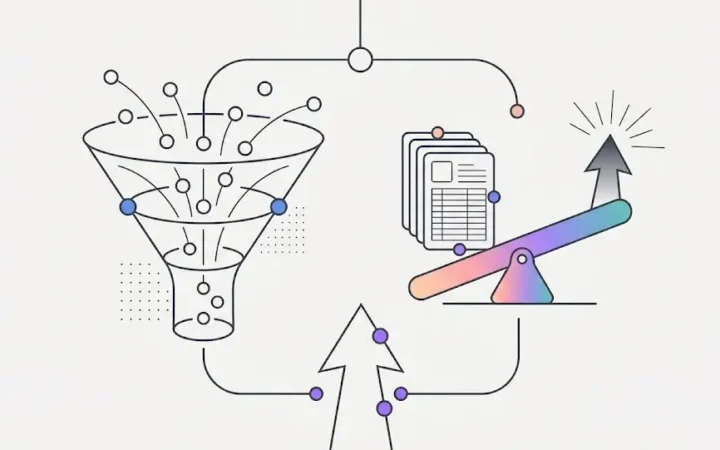
Dental Case Acceptance Rate: The Cheapest Growth Lever You Already Have
The patients are already there and the treatment is already diagnosed — so the most valuable number in the practice is how much of it gets done. Benchmarks, the perception gap (dentists estimate ~90%; reality often runs 30 points lower), and the five moves of a real case acceptance engine.
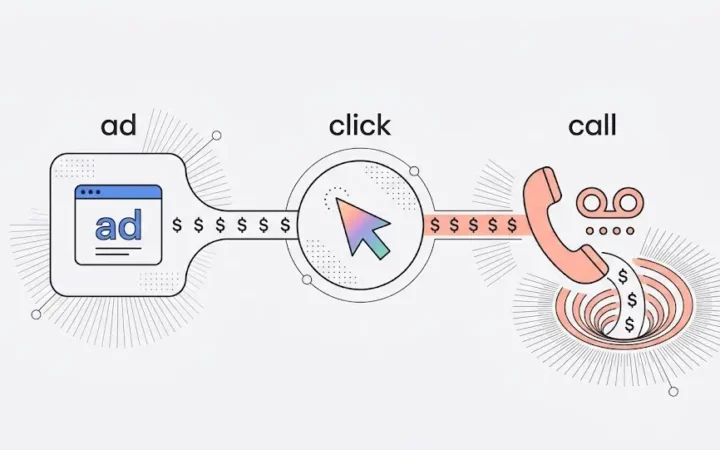
Dental Marketing Missed Calls Are Where Your Ad Budget Actually Fails
The ad worked, the patient called — and a busy line sent them to voicemail and the next result. Marketers obsess over cost-per-click and ignore the conversion that matters: call-to-appointment. Here's why missed calls are the funnel's most expensive leak, and the cheapest ROI fix there is.
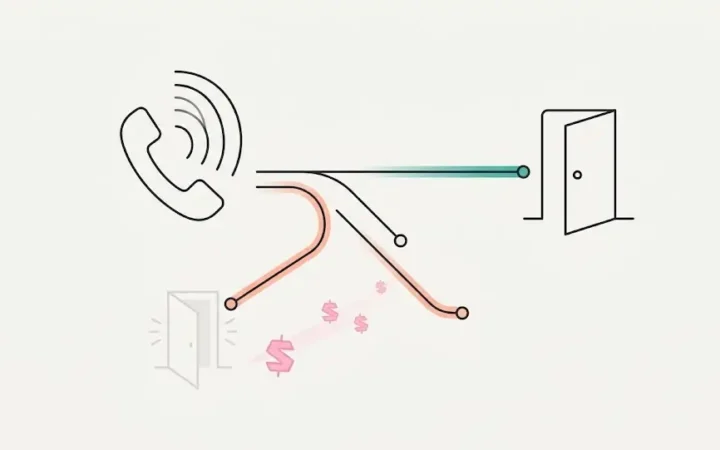
Missed Calls in a Dental Practice Are Patients Booking Somewhere Else
The phone is the practice's biggest revenue channel and the one most likely to ring out — not from negligence, but physics: one receptionist, one line. Here's the math owners never run, why hiring doesn't fix a concurrency problem, and how the invisible loss becomes a number you can finally see.
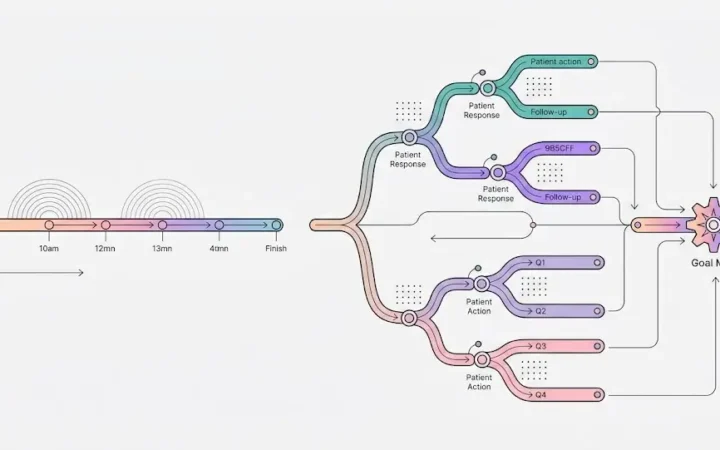
Personalized Patient Communication That Isn’t a Template With a Name Merged In
Patients can tell when a message was written for a thousand people and sent to them. Personalized patient communication that lands needs more than a merge field — it needs a message composed for the person reading it. Here's how the ELVA Brain writes each one individually: personal enough to land, tactful enough to trust.
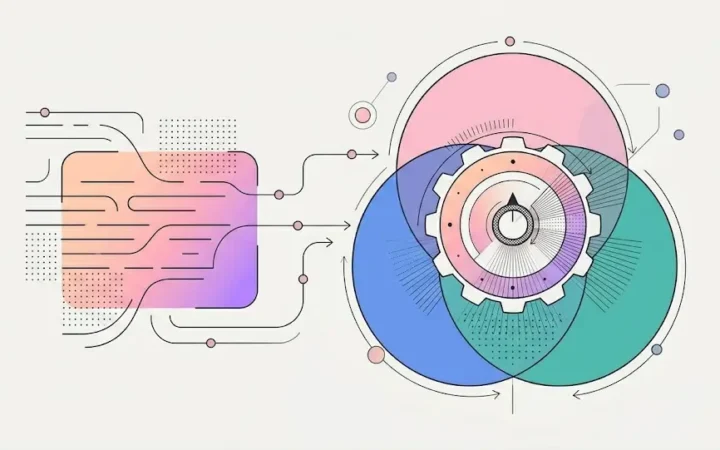
Dental Patient Segmentation Should Work Like a Sentence, Not a Dropdown
You can describe the patient you want to reach in a sentence — "accepted a plan, never scheduled, no big balance." The question is whether your software can act on it. Here's how plain-language dental patient segmentation reaches the exact situation you're picturing, with database-grade precision and no spreadsheets.
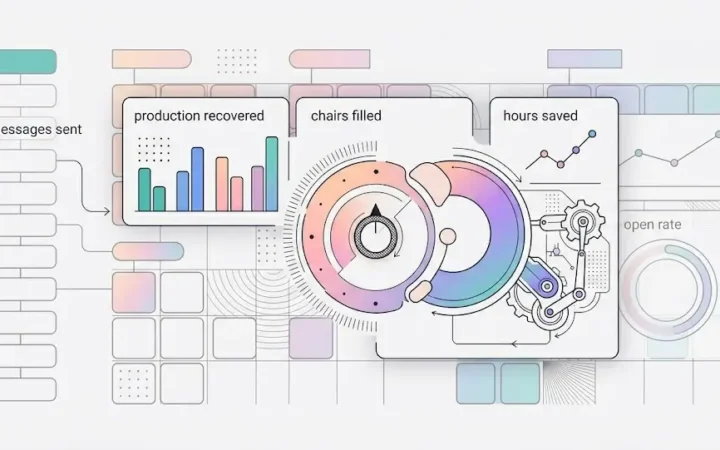
Dental Recall Reporting Should Count Dollars, Not Just Texts Sent
Most recall reports count messages sent, delivered, and opened — the tool's activity, not your result. See how outcome-based dental recall reporting measures the only numbers an owner repeats to their accountant: production recovered, chairs filled, lifetime value reactivated, and staff hours saved.
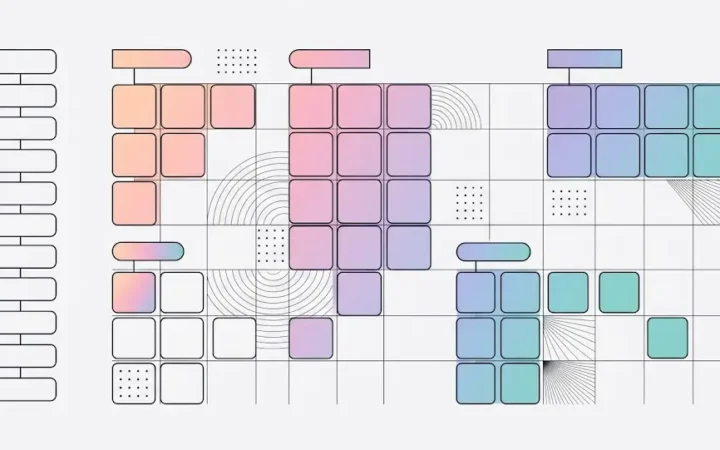
Most Dental Recall Programs Ship 10. Your Practice Needs 28.
Most dental software hands you five to ten recall templates and leaves the rest of your production on the table. Here are 28 clinically-grounded dental recall programs — preventive, schedule protection, revenue recovery, loyalty, and the clinical-safety and specialty programs no reminder tool pre-builds.