Your AI receptionist is on a call right now. A patient asked whether their crown is covered, and the system gave an answer. Was it correct? Did it book the follow-up it said it booked? Did it quietly tell the patient something it had no business saying? If you’re asking “is my AI receptionist making mistakes?” — here’s the uncomfortable part: you don’t know, and the system will report the call as a success either way.
This is the AI evaluation crisis. The systems answering your phones are confident, fluent, and almost entirely unaudited. They sound right. Sounding right and being right are not the same thing — and for most practices, nothing in the stack is checking the difference.
Fluency Is Not Accuracy: Why an AI Receptionist Can Sound Right and Still Be Wrong
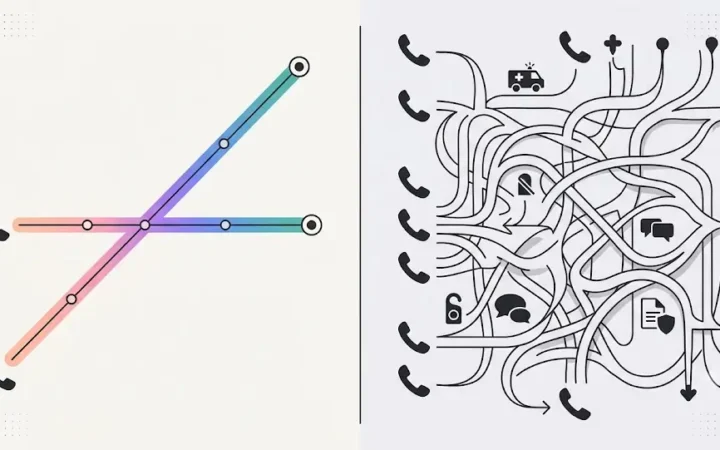
The thing that makes modern AI receptionists impressive is exactly what makes them hard to trust: they are fluent. They produce calm, confident, well-formed responses to almost anything. A human receptionist who didn’t know an answer would hesitate, say “let me check,” or transfer the call. An AI system rarely hesitates. It generates a plausible answer and delivers it with total composure — whether or not the answer is true.
That confidence is a feature on the easy calls and a liability on the hard ones. The system that smoothly books a cleaning is the same system that might smoothly misstate a coverage detail, smoothly skip an emergency escalation, or smoothly confirm a booking that never reached your practice management system. From the outside, all four calls sound equally successful.
Why You Can’t Tell If Your AI Receptionist Is Making Mistakes
Call volume, average handle time, “calls answered” — the usual dashboard metrics measure activity, not correctness. They tell you the system did something on every call. They do not tell you whether what it did was right.
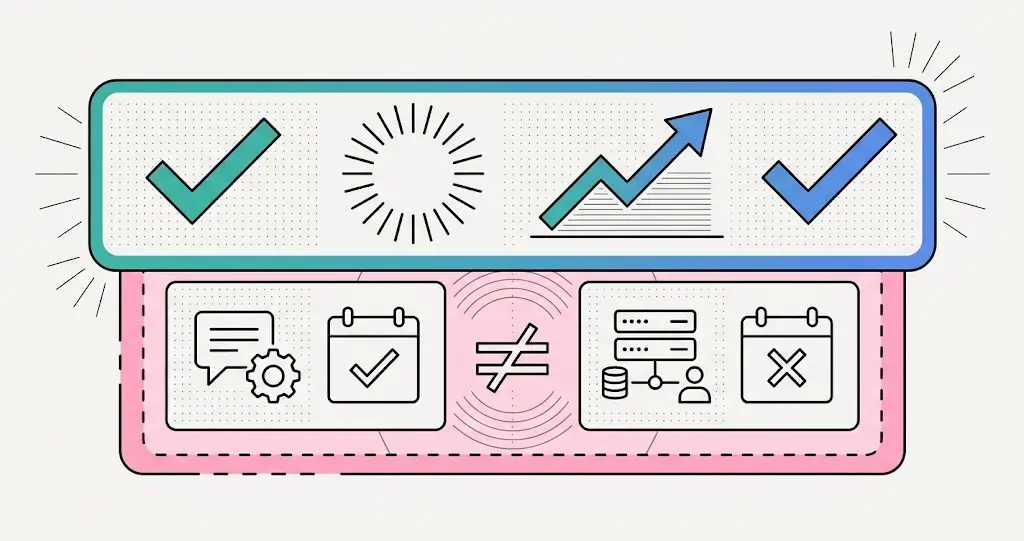
Worse, the system is often grading its own homework. If the AI logs a call as “appointment booked,” that log is only as trustworthy as the system generating it. An AI that failed to actually write the appointment into the PMS can still mark the call resolved. The dashboard turns green. The patient never gets a confirmation. Nobody notices until the chair sits empty. That’s how an AI receptionist can be making mistakes for weeks while every metric you watch says it’s fine.
The Four Questions That Reveal If Your AI Receptionist Is Making Mistakes
For any AI receptionist handling live patients, you should be able to answer these with evidence — not vibes:
- Did it stay safe? When a caller described an emergency or asked for medical advice, did the system respond appropriately — or improvise?
- Did it protect information? Did it handle protected health information correctly, or repeat and collect it in ways it shouldn’t?
- Did it actually do what it said? When it claimed to book, reschedule, or log something, did that change really land in the PMS?
- Did it escalate when it should have? Or did it handle, alone, a call that needed a human?
If the honest answer to any of these is “I’m not sure,” then the system isn’t being evaluated. It’s being trusted on faith — and faith is not an audit.
Evidence, Not Assurances: How to Check If Your AI Receptionist Is Making Mistakes
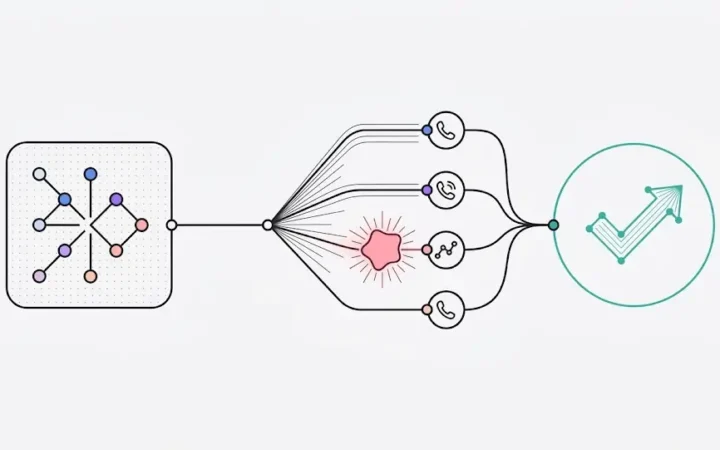
Closing this gap requires treating an AI receptionist the way you’d treat any other system handling sensitive work: with independent verification. Not the vendor’s self-reported metrics, and not the system’s own logs, but an outside evaluation that puts the AI through the calls that actually carry risk and checks the result against reality.
That’s what RingScore was built to do. It calls your AI receptionist for dental practices with realistic emergencies, adversarial callers, and insurance edge cases, then produces a readiness verdict anchored to transcripts — and, with optional read-only access, verifies whether the appointment or record change the system claimed actually happened in your PMS. A statement like “201 of 248 calls verified in the practice management system” is a different kind of evidence than “the dashboard says it’s working.”
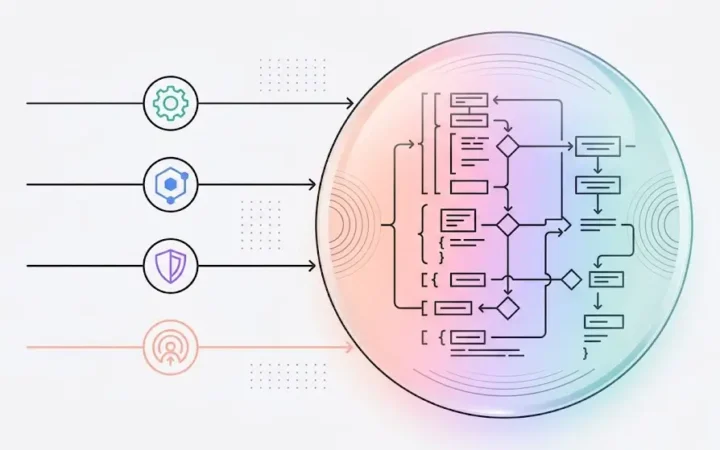
Because the evaluation engine is open source, you can also see exactly how each judgment is made. You’re not trading the vendor’s black box for another one. You’re getting an inspectable evaluation you can audit yourself — see how to evaluate an AI receptionist for the full list of what a serious evaluation actually checks.
Stop Grading Your AI Receptionist on Fluency Alone
The dental AI you can buy today is good enough that “it sounds great” is no longer useful information — every serious system sounds great. The only question worth asking now is whether it does the right thing on the calls that matter, and whether you can prove it. Until you can, your receptionist’s success rate is a number it assigned itself. For a group running the same system across many locations, that unverified number is multiplied by every front desk you operate — which is why DSO standardization software for dental have the most to gain from checking.
Frequently Asked Questions
How do I know if my AI receptionist is making mistakes?
Most practices don’t, because standard metrics — call volume, handle time, “calls answered” — measure activity, not correctness, and the AI often logs its own success. Independent evaluation that checks safety, PHI handling, real PMS booking, and escalation against call transcripts is how you actually find out.
Why can’t I trust the AI’s own call logs?
Because the system generating the log is the same system being judged. An AI that failed to write an appointment into your practice management system can still mark the call “booked.” Independent verification against the PMS catches the gap; self-reported logs don’t.
What does it mean for an AI receptionist to “hallucinate” on a call?
It means producing a confident, fluent, but incorrect response — for example, misstating coverage, inventing a policy, or confirming a booking that didn’t happen. Because the delivery sounds authoritative, these mistakes are easy to miss without independent evaluation.
What should an AI receptionist evaluation actually check?
At minimum: safety on emergencies and medical-advice requests, correct PHI handling, verified PMS actions (did the booking really happen), and correct escalation to a human. RingScore checks these and anchors each result to a transcript.
Is RingScore’s evaluation method transparent?
Yes. The evaluation engine — scoring logic, personas, and scenarios — is open source on GitHub, so you can inspect exactly how each pass, risk, or failure is determined.
Find out what your AI is really doing. RingScore evaluates dental AI receptionists against the calls that carry risk and verifies the results. Request access at ringscore.ai.