
AI Receptionist
AI Receptionist
The Best AI Receptionist for Dental Offices in 2026: A Buyer’s Guide
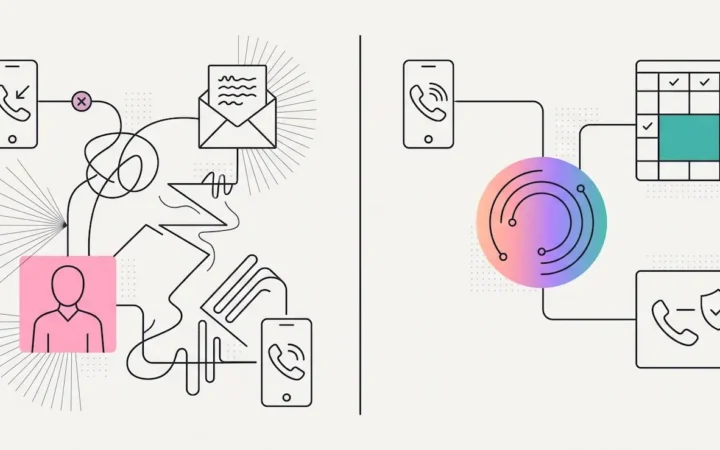
Six best dental AI receptionists compared on what actually separates them: whether they write confirmed appointments into your PMS, whether they respect your scheduling rules when they do, and whether they work the phone in the other direction — calling carriers to verify benefits and chase claims.
Dental Email Management Without Handing Your Inbox to a Vendor’s Servers
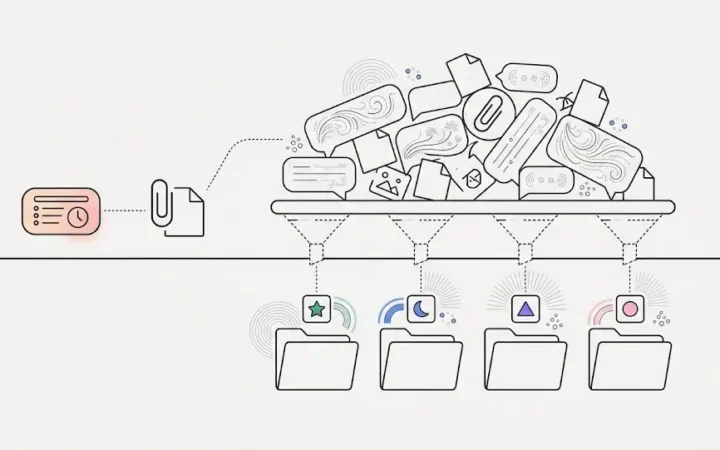
Whoever opens the practice inbox becomes a filing clerk — and most tools "fix" it by copying your entire email history onto their servers. Here's both problems solved: AI-maintained folders, one-line digests, replies governed by your rules, and digests-not-archives privacy with attachments never copied.
You Decide Exactly What the AI May Do — Channel by Channel
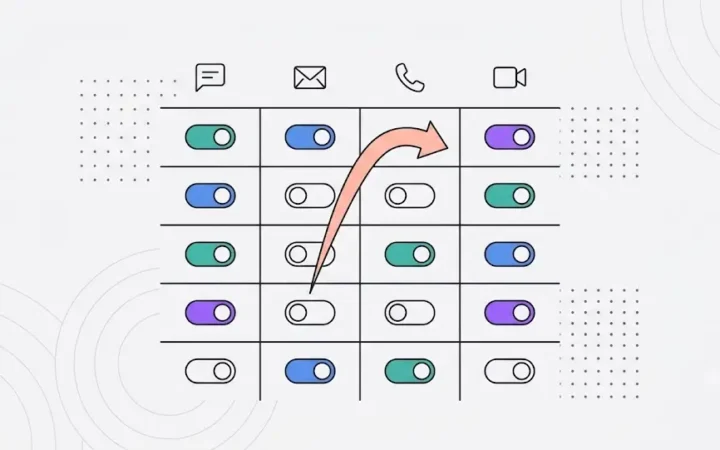
The owner's real question isn't "is it smart?" — it's "what exactly is it allowed to do in my name?" Here's the answer as a list you can read: every capability toggled per channel, off-channel requests gracefully redirected, sensitive replies held for approval, and every action on a timestamped record.
Text Appointment Booking Should Finish the Job, Not Just Log a Request
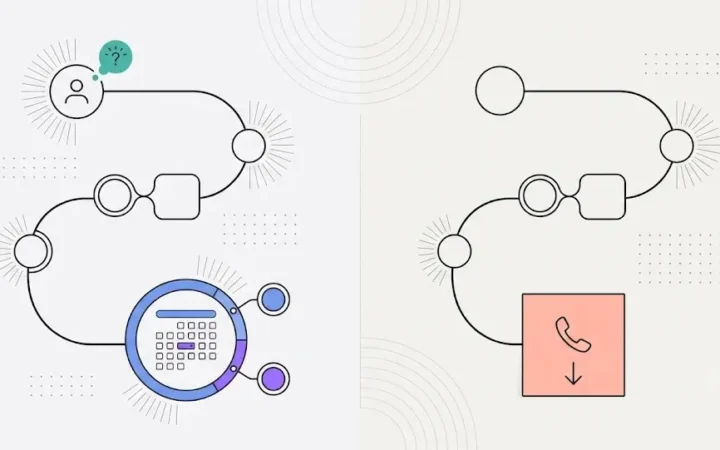
The test isn't whether the messaging can talk — it's whether anything is finished when the thread goes quiet. Here's what gets completed inside the conversation: bookings for new and returning patients, whole families, reschedules, real confirmations, insurance capture, and the practice's own answers at texting speed.
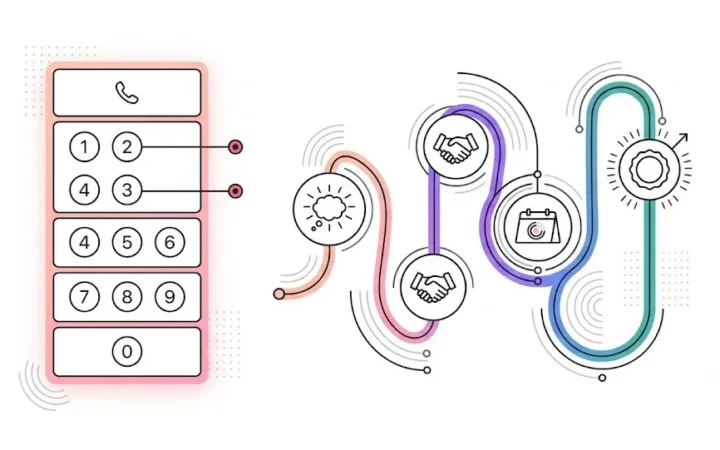
“Reply 1 to Confirm” Is Where Conversations Go to Die
For years, “automated” patient messaging meant a broadcast with a keypad: the practice sent a reminder, the patient could answer YES or…
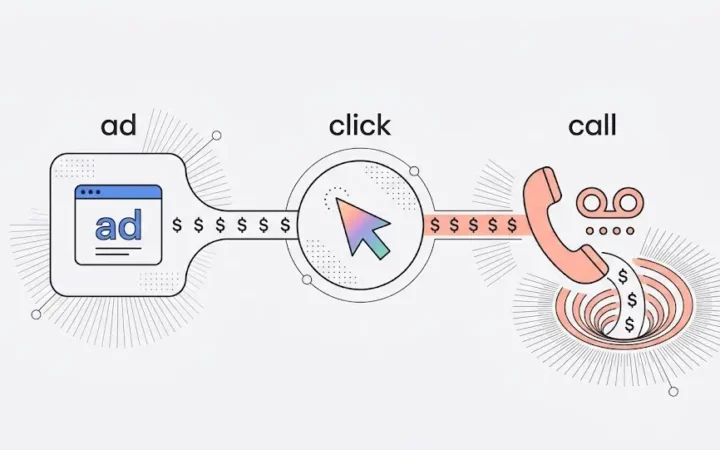
Dental Marketing Missed Calls Are Where Your Ad Budget Actually Fails
The ad worked, the patient called — and a busy line sent them to voicemail and the next result. Marketers obsess over cost-per-click and ignore the conversion that matters: call-to-appointment. Here's why missed calls are the funnel's most expensive leak, and the cheapest ROI fix there is.
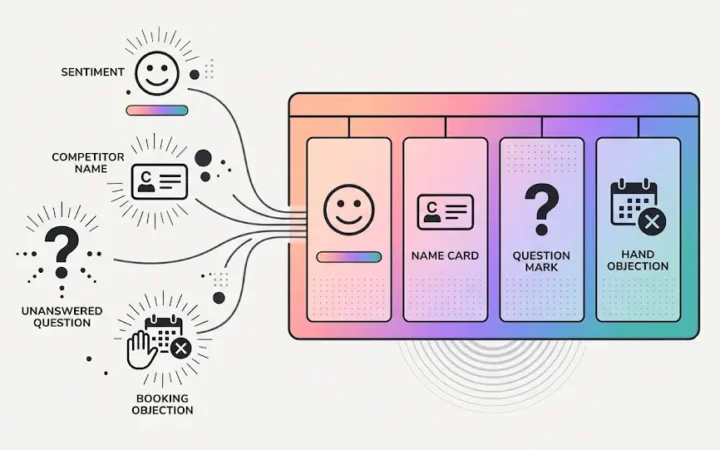
Your Phone Calls Are the Best Market Research You’re Throwing Away
Patients tell you exactly what they want, what confused them, and what a competitor offered — out loud, on the phone, for free — and at most practices it evaporates the second the call ends. Here's the analytics that catch it: sentiment trends, knowledge gaps, competitor mentions, and the real reasons callers don't book.
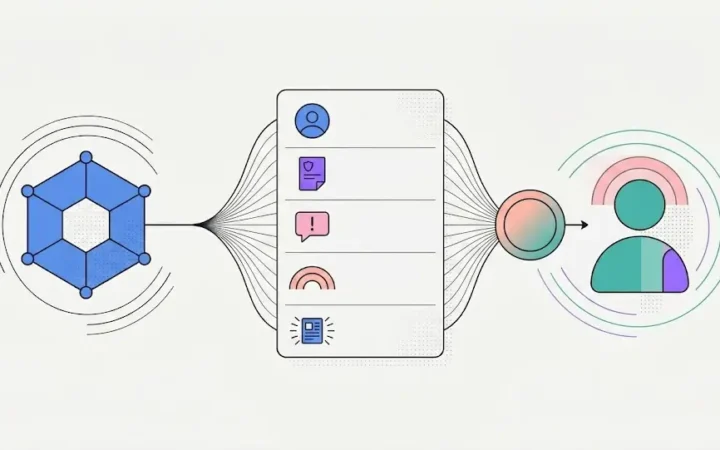
AI on the Phones Doesn’t Mean Humans Off the Hook
The real reason practices hesitate to put AI on the phones is the nightmare call — the upset patient, the wrong booking, the loop. Here's the safety net that makes the rest safe to turn on: warm transfers with full context, a review mode that earns trust before go-live, and one-tap takeover, always.
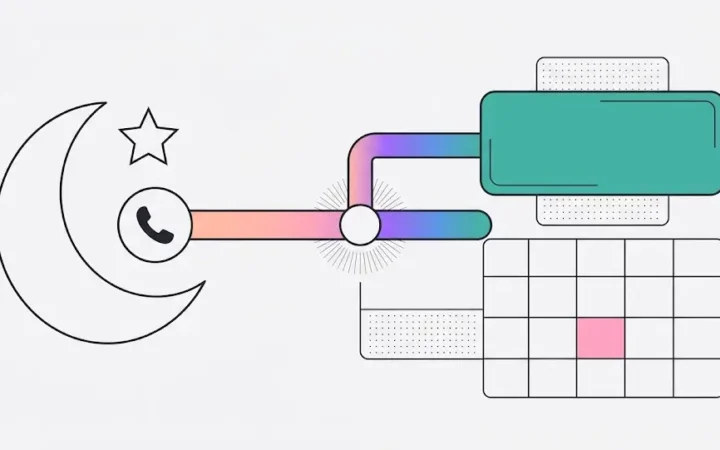
The Worst Time for Your Phone to Ring Out Is a Dental Emergency
A patient in real pain calls one practice — and if it rings out, they're gone. Emergency triage is the phone's highest-stakes moment, and 63% of emergencies land after hours. Here's how an AI receptionist recognizes urgency, protects the right slot, and escalates to a human, without ever crossing into diagnosis.
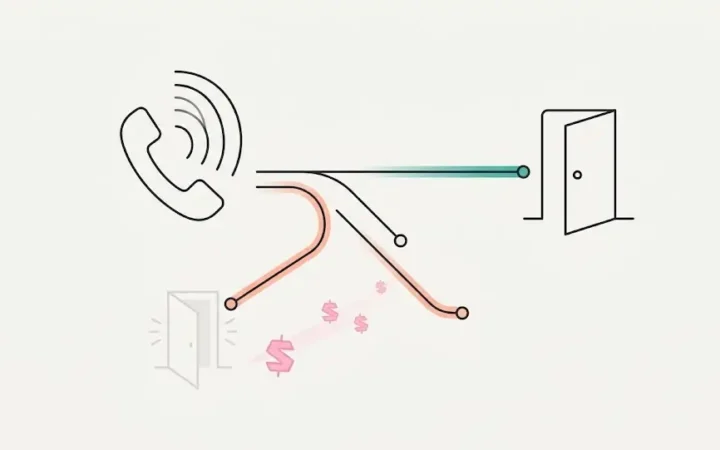
Missed Calls in a Dental Practice Are Patients Booking Somewhere Else
The phone is the practice's biggest revenue channel and the one most likely to ring out — not from negligence, but physics: one receptionist, one line. Here's the math owners never run, why hiring doesn't fix a concurrency problem, and how the invisible loss becomes a number you can finally see.