Most “recall” stops at getting a patient through the door. But some of the most important outreach a practice does happens after a visit — the day after a surgical extraction, when no one at the practice knows how that patient is actually doing unless someone remembers to call. Post-operative dental follow-up is usually a sticky note and good intentions: a front-desk person, already slammed, trying to remember which of yesterday’s patients to check on. When it slips, a patient who’s struggling has no easy way to flag it, and the practice finds out late or not at all.
This is the part of recall that isn’t marketing. It’s the difference between a practice that hopes its post-op patients are fine and one that actually finds out — systematically, for every surgical patient, without depending on anyone’s memory.
What an automated post-op follow-up does
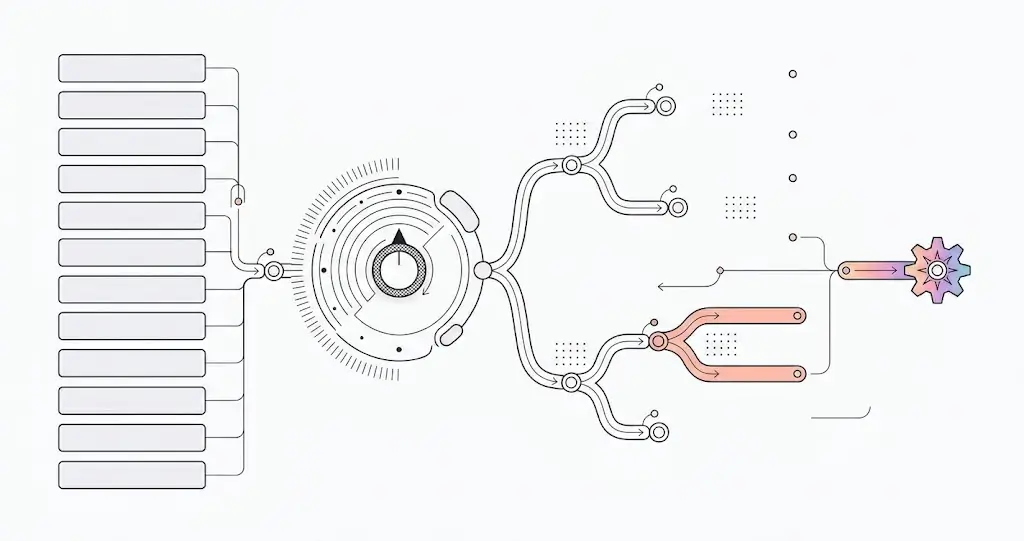
- It reaches every post-op patient automatically. No sticky note, no “who do we need to call today” — the follow-up is triggered by the procedure and goes to every patient who had one, every time.
- It captures a pain-scale answer. Rather than a generic “hope you’re feeling better,” it asks the patient to report how they’re doing on a simple scale, turning a vague well-wish into a real signal.
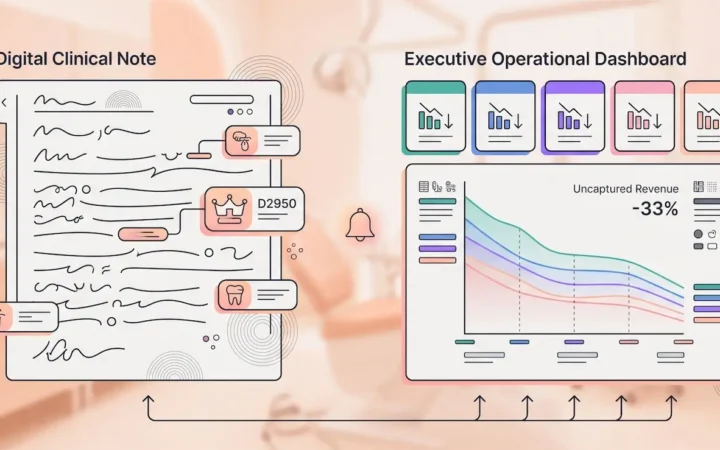
- It escalates a worrying answer to your team — fast. When a patient reports a concerning level of pain, the system flags it to staff for a person to act on, instead of leaving it sitting in an inbox. A worrying answer becomes an alert, not a missed message.
That third step is the whole point. A check-in that only collects responses is a survey; a check-in that routes a concerning response to a human quickly is a safety net. The patient who’s genuinely struggling gets a callback from the practice because the system surfaced them — not because they happened to call the office first.
The line we’re careful about
It’s worth being precise, because this sits near a line that matters. The post-op program prompts, captures, and escalates — it does not diagnose, advise, or make a clinical judgment. It asks the patient how they’re doing, records the answer, and alerts your team when an answer warrants attention. The clinical decision stays entirely with the practice; the system’s job is to make sure the right patient gets in front of the right person at the right time. That distinction isn’t a hedge — it’s the design. The value is in the coordination and the speed, not in the software pretending to clinical authority it doesn’t have.
This is also where ELVA’s broader discipline about trustworthy AI shows up concretely: a system that knows the boundary of its role — capture and escalate, never diagnose — is the same kind of system that’s held to an independent standard and built to do less when in doubt. Restraint and knowing where the line is are features, not limitations.
Why it belongs in a recall engine, not a separate tool
Post-op follow-up is one of 28 pre-built programs, and it’s the clearest example of why a recall engine grounded in clinical operations beats a reminder utility: a timer-based tool has no concept of “captured a pain score, escalate if concerning.” It can send a post-op text; it can’t run a safety net. And because it lives in the same engine, the post-op program’s outcomes show up in the same outcome reporting as everything else — response rates, average reported pain score, concerning answers flagged to staff, time to first response — so patient-safety follow-up is measured, not assumed.
Every message it sends is composed individually and quality-checked, so a post-op check reads with the warmth a recovering patient should get, not as a clinical form. See the program in the full engine on the ELVA Recall page, or start from reminders vs. a recall engine.
Frequently Asked Questions
What does an automated post-operative dental follow-up do?
It automatically reaches every post-op patient after a procedure, asks them to report how they’re doing on a pain scale, and escalates a concerning answer to your team quickly — turning a sticky-note callback into a systematic safety net that doesn’t depend on anyone remembering who to check on.
Does the system make clinical decisions about a patient’s recovery?
No. It prompts, captures, and escalates — it asks how the patient is doing, records the answer, and alerts staff when an answer warrants attention. It does not diagnose, advise, or make clinical judgments; the clinical decision stays entirely with the practice. Its job is coordination and speed.
How is this different from a regular post-op reminder text?
A reminder text is one-way and generic. This captures a real signal — a pain-scale answer — and acts on it, routing a concerning response to a person rather than leaving it unread. A timer-based reminder tool can send a message but can’t run the capture-and-escalate safety net.
What happens when a patient reports a high pain level?
The concerning answer is flagged to staff for a person to follow up, instead of sitting in an inbox. The patient who’s struggling gets surfaced to the practice quickly, so a human can reach out — the system makes sure the right patient gets in front of the right person fast.
Is post-op follow-up measured like other recall programs?
Yes. Because it runs in the same engine, its outcomes appear in the same outcome reporting — response rate, average reported pain score, concerning answers flagged to staff, and time to first response — so post-op follow-up is measured as patient safety rather than assumed.
Make post-op follow-up systematic. See ELVA Recall, or how every recall message is held to a standard in how ELVA grades its AI.