
Clinic Playbook
Clinic Playbook
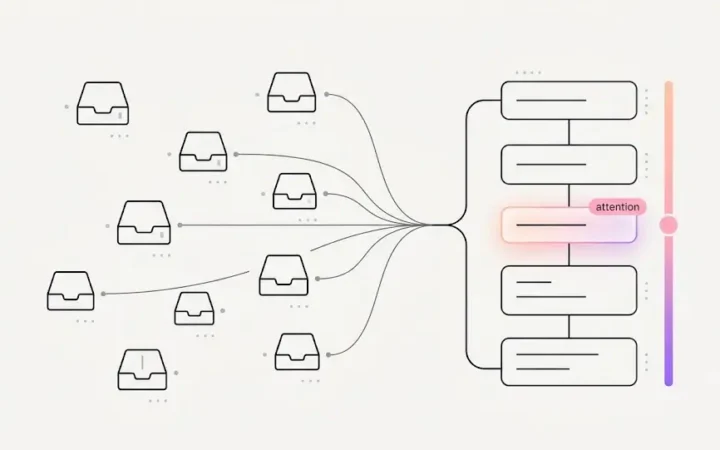
A Dental Triage Inbox Replaces Ten Inboxes With One Ranked List
Channels are plumbing; attention is the product. The triage inbox is ELVA's most distinctive idea explained as an idea: one list of everything needing a human — pre-read, patient-attached, ranked by your standards — fed by every channel, so "is anything waiting?" finally has a checkable answer.
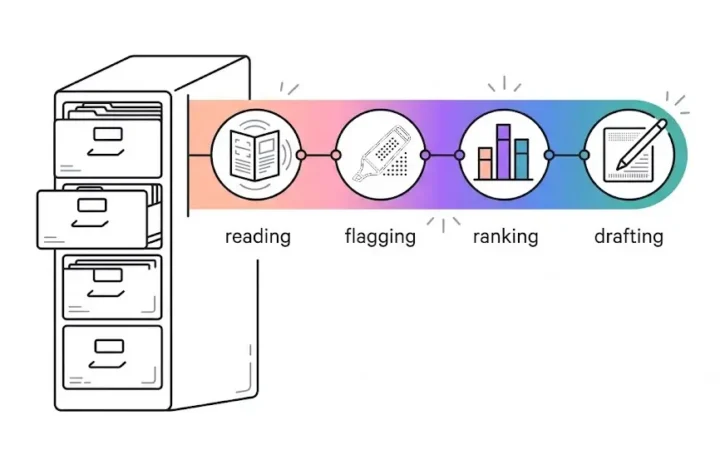
Dental Front Office Software Needs a System of Action, Not Just Records
A system of record stores the schedule, charts, and messages — and leaves the only question that matters to the team: "what needs my attention, and what should I do about it?" Here's the system of action: the layer that reads everything, ranks what needs a human, and runs your rules at every desk.
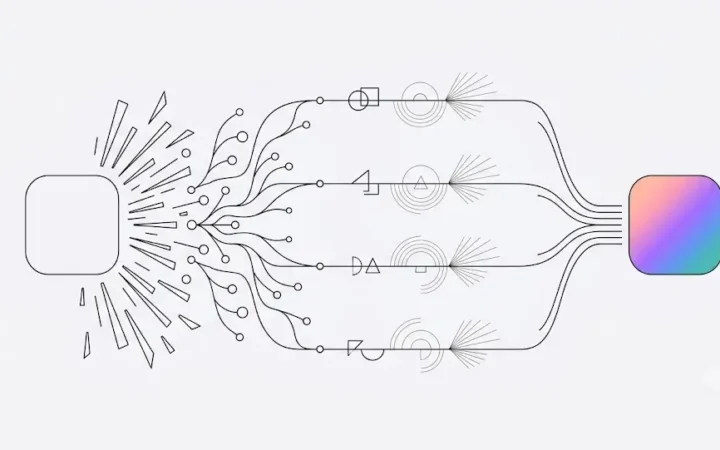
Dental Appointment Flags: The Veteran’s Instant Read, Made Automatic
The veteran's instant read — new patient, unconfirmed, big case, balance due, nervous — made automatic on every appointment: 20+ signals checked continuously, four flag tiers, smart escalations, and a color rollup that shows priority at a glance. The practice sets what matters; the schedule registers it.
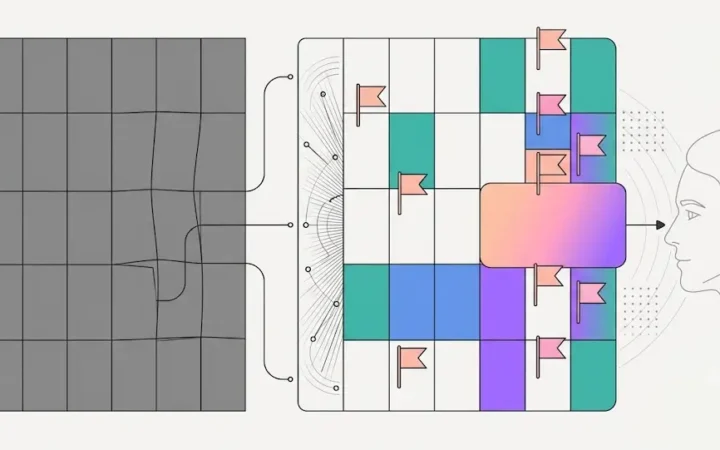
Dental Schedule Management That Checks Itself, Not Just Displays the Grid
The night-before fear is always a surprise hiding in a grid of names and times. Here's the calendar that removes the hiding places: every appointment checked against your own rules, priority rolled into cell colors, risks and opportunities surfaced before the day starts — four views, one checked truth.
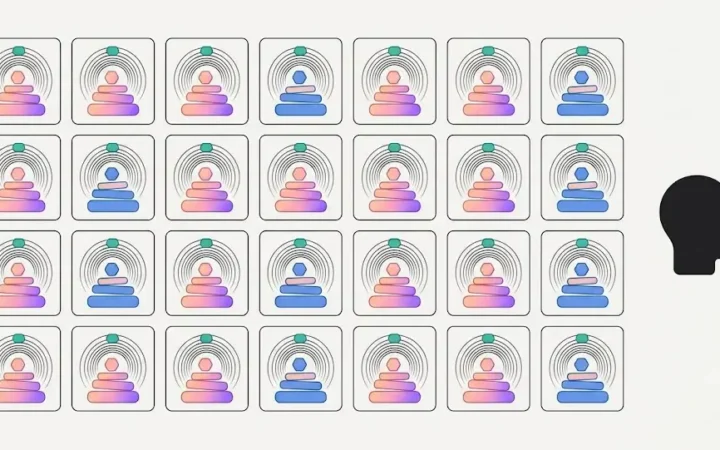
Twenty Locations, One Standard — Without Standing Over Anyone
You can't be in twenty buildings — so most groups choose between hovering and hoping. Here's the third option: the standard built into the system every desk works in, with organization rules on top, local refinement underneath, and enforcement that's a property of the software, not a behavior to police.
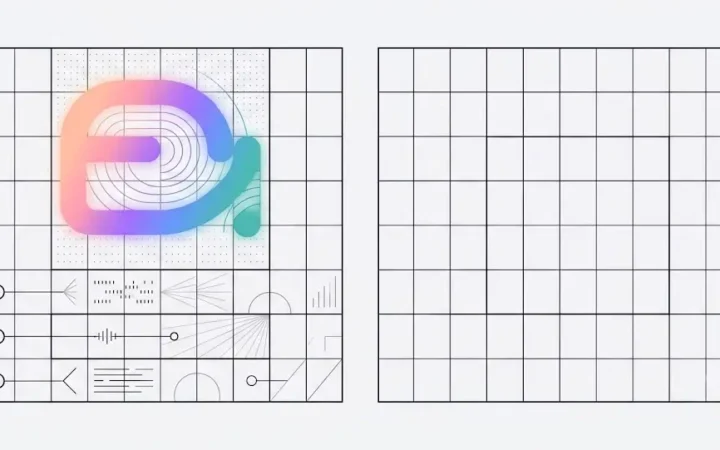
Dental Treatment Opportunities Get Lost When Every Appointment Looks the Same
The most valuable hours on the schedule quietly get the most generic handling — because on a flat grid, every appointment looks the same size. Here's weight made visible: big-case flags days ahead, walk-in/walk-out guidance on every visit, and the day's actionable value as a number.
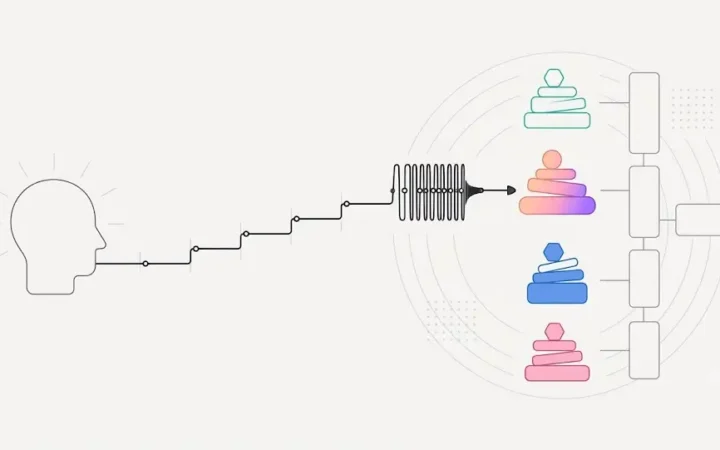
How to Train Dental Front Desk Staff Faster Than Six Months
The real cost of a front-desk hire is the six months — uneven patient experience, a veteran doing two jobs, value leaking from the schedule. Here's the case that the ramp is mostly information access, not skill: hand over the knowing, and what's left is what you hired for.
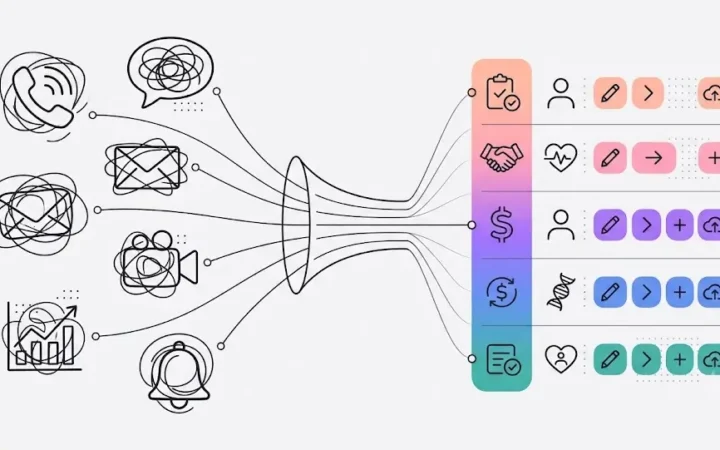
Dental Front Desk Task Management Isn’t a Workload Problem. It’s a “What First?” Problem.
It's rarely the volume that breaks a front desk — it's six unranked screens and a guess about what's urgent. Here's the triage inbox: everything needing a human in one list, pre-read, summarized, attached to the right patient, ranked by the practice's own rules, worked top-down.
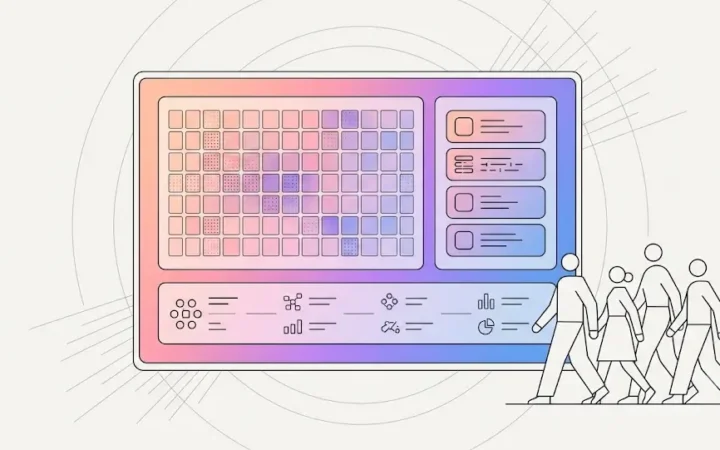
Your Dental Morning Huddle Is Already Written Before You Walk In
The huddle is only as good as whoever assembled it — if anyone had time. Here's the morning briefing that's waiting before the team arrives: a booking heatmap, a tiered safety-net/blockers/opportunities analysis, the doctor's daily focus, and a ready roll-up, all by the practice's own rules.
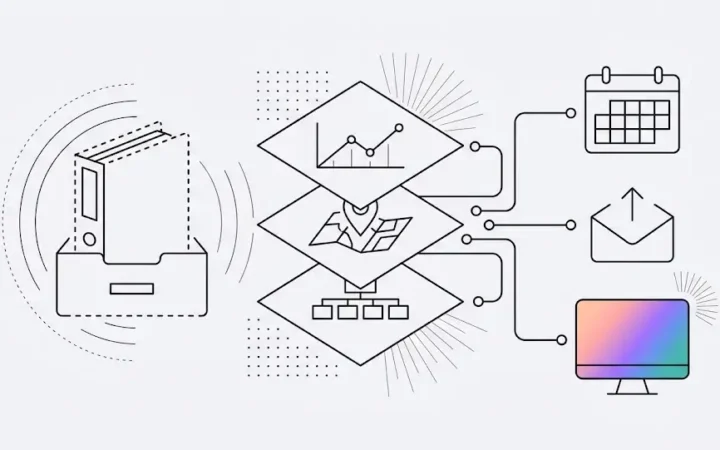
Experience Used to Take Years. Now It’s Your Dental Practice Playbook, Configured Once.
The veteran's knowledge isn't in any binder — it's in their head, and it leaves when they do. Here's how the Clinic Playbook changes where experience lives: rules set once, layered from organization to location, executed by the system on every interaction. Control without hovering; your playbook stays yours.