
A great office manager walks in and already knows what kind of day it is — where the pressure sits, where the openings are, who needs special attention. That situational awareness took years to build, and it’s the difference between a dental morning huddle that sets the day up and one that’s five people staring at a grid asking “anything I should know?” In most practices, the huddle is only as good as whoever assembled it that morning — if anyone had time to assemble it at all.
In ELVA FrontDesk, the huddle is waiting before anyone arrives: the day already read, analyzed, and written up — by ELVA’s AI brain for dental practices, against the practice’s own rules.
What’s on the Screen for Your Dental Morning Huddle
- A heatmap of the day — how booked it is, where the gaps are, what the rhythm looks like.
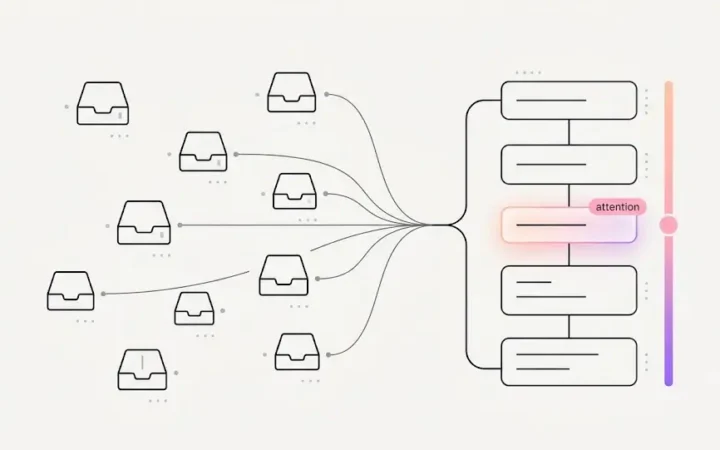
- A briefing in tiers — written the way a seasoned colleague would flag the day: the safety net items that protect patients and the practice, the blockers that could derail an appointment (missing forms, pending pre-authorizations), the opportunities (treatment to schedule, benefits about to expire, gaps to fill), and the nice-to-know (birthdays, VIP referrers, family context).
- The doctor’s daily focus — a short, human heads-up for the day, surfaced where the whole team sees it.
- A ready-made huddle roll-up — the morning meeting agenda, already assembled, so the huddle starts with answers instead of questions.
Nobody pulled reports. Nobody cross-referenced the schedule against the forms queue. The report is simply there — daily, with a weekly outlook behind it and a monthly view behind that, so the team can get ahead of Thursday on Monday.
Why Tiering Makes the Dental Morning Huddle Work
The list above isn’t just convenient — the ordering is the experience. Ask a ten-year veteran what makes their morning read different from a new hire’s and it’s exactly this: they know what’s a patient-safety item, what’s a blocker to clear before 10am, what’s an opportunity worth two minutes of effort, and what’s just nice context. A new hire with the same raw schedule can’t rank it yet — and ranking is everything when the phones start at 8:01. The tiered briefing hands the ranking over, which is why train dental front desk staff so a first-week hire can run the huddle with a veteran’s awareness: the awareness is on the screen.
The Dental Morning Huddle Is the Playbook Talking
What counts as a blocker, which opportunities are worth surfacing, what threshold makes a case “big” — none of that is a vendor default. It’s defined by the practice’s own dental practice playbook, so the morning briefing reflects what this owner cares about, by this practice’s standards, the same way every single day. The huddle stops depending on who showed up early, and starts being a property of the practice.
The analyzed day lives on the same surface as the day itself — dental schedule management that checks every appointment and rolls what it finds into the briefing.
Frequently Asked Questions
What should a dental morning huddle cover?
Four tiers, in order: safety-net items that protect patients and the practice (medical alerts, premedication needs), blockers that could derail appointments (missing forms, pending pre-authorizations), opportunities worth acting on today (unscheduled treatment, expiring benefits, fillable gaps), and useful context (birthdays, VIPs, family connections). A huddle that covers those four starts the day ahead.
How does ELVA prepare the morning huddle automatically?
It reads the day’s schedule against the practice’s rules and writes the briefing before anyone arrives: a booking heatmap, the tiered safety-net/blockers/opportunities/nice-to-know analysis, the doctor’s daily focus note, and a roll-up the team can run the meeting from — refreshed daily, with weekly and monthly outlooks behind it.
Can a new team member run the morning huddle?
Yes — that’s the point of the tiered briefing. The hard part of a huddle is ranking what matters, which normally takes years of pattern recognition; with the ranking on the screen, a first-week hire runs the meeting with the same situational awareness as a veteran.
Who decides what counts as a blocker or an opportunity?
The practice does, once, in its Clinic Playbook — what gets flagged, which opportunities surface, and what thresholds matter are the owner’s standards, applied automatically every day, not a vendor’s defaults.
Does the briefing cover more than today?
Yes — a daily briefing for the working day, a weekly outlook so the team gets ahead of what’s coming, and a monthly view for rhythm and planning. Same analysis, three horizons.
Start the day with answers. See the AI dental scheduling calendar, or the rules behind the briefing in the dental practice playbook.