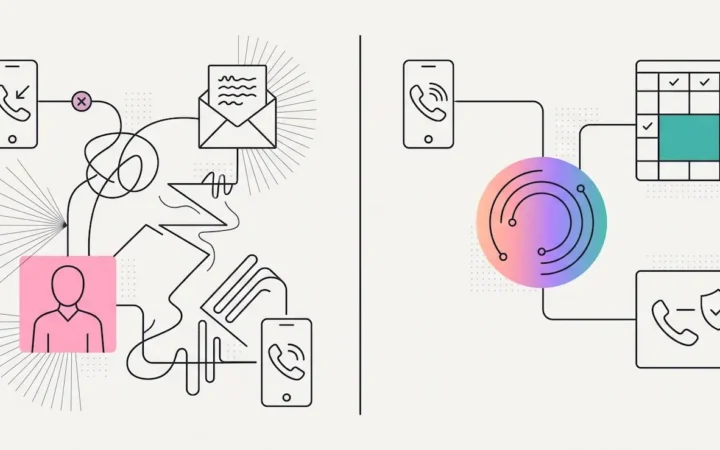
Watch a front desk drown and you’ll notice something: it’s rarely the volume that breaks them. It’s the shape of it. A missed call on the phone log, two texts asking to reschedule, an email about a bill, an insurance verification that came back wrong, three overdue forms, a follow-up someone promised on Friday — each living in its own screen, none labeled by importance. Dental front desk task management, in most offices, means refreshing six tabs and hoping the loudest thing was also the most important. It almost never is.
The experienced lead survives this because they carry the triage in their head — they can glance at the pile and know what’s urgent, what each item needs, and in what order. That judgment took years. In ELVA FrontDesk, it’s built into the list itself.
Dental Front Desk Task Management: One List, Already Triaged
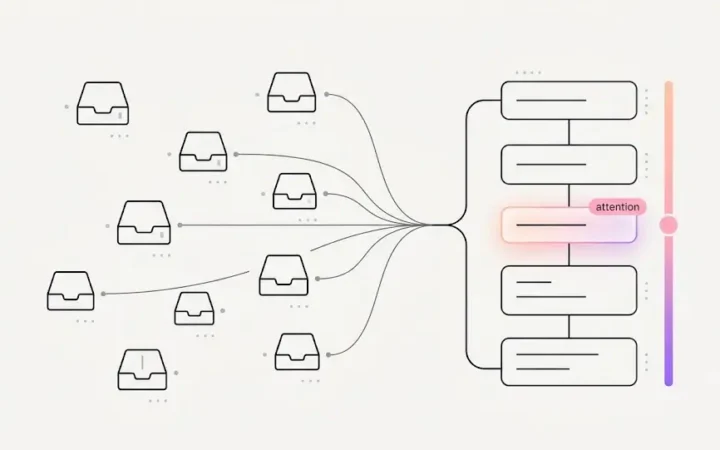
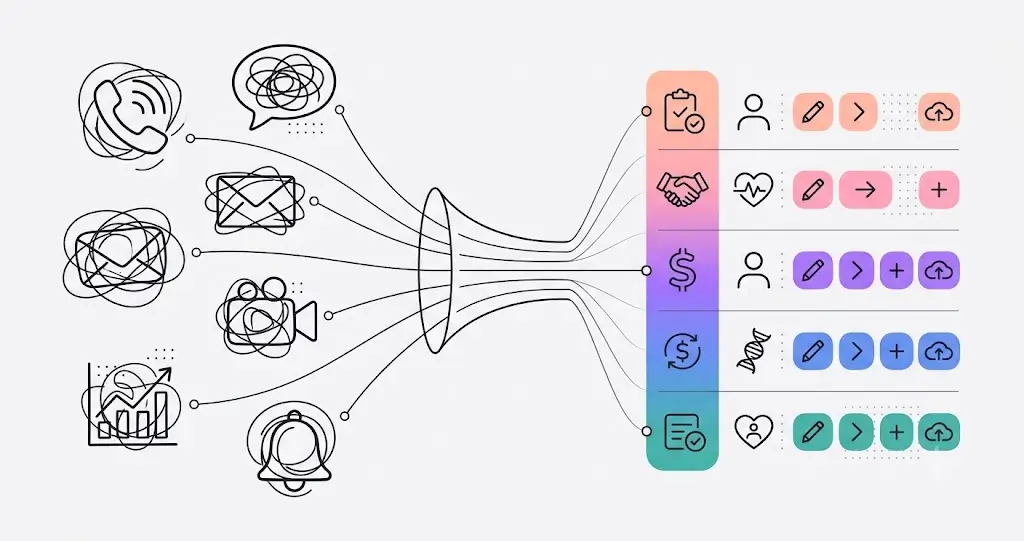
Everything that needs a human — from every channel and system — lands in a single triage inbox, and each item arrives already worked:
- Already read. ELVA has read the call summary, the text, the email, the verification result — and written a one-line summary, so understanding an item doesn’t require opening five tabs.
- Already in context. The relevant patient is attached, with the situation summarized — who they are, what this is about, what’s relevant from their history.
- Already ranked. Items are ordered by urgency, so the team works the most important thing first instead of whatever shouted loudest.
- Already pointed at the next step. Where appropriate, the item carries the proper action — not just “a thing happened” but “here’s what this needs.”
The team works the list top-down. That’s the whole workflow. When the list is empty, nothing is waiting — and “nothing is waiting” becomes a checkable fact instead of a hopeful feeling.
What Changes When Dental Front Desk Task Management Lives in a List
The senior lead’s ranking instinct is real expertise — and it’s also a bottleneck and a single point of failure. When the ranking lives in the system, three things shift. The quiet emergencies stop losing to the loud trivia: an insurance problem on tomorrow’s big case outranks today’s reschedule text, no matter which one is making noise. New team members become productive in days, because the system tells them what matters — train dental front desk staff so the judgment gap closes along with the knowledge gap. And the practice stops depending on one person’s mental queue surviving lunch breaks, sick days, and resignations.
What counts as urgent, what routes to whom, what ELVA may resolve on its own versus hold for a person — all of it follows the dental practice playbook the practice set once. The inbox is the playbook, ranking the day.
Where Dental Front Desk Task Management Gets Its List
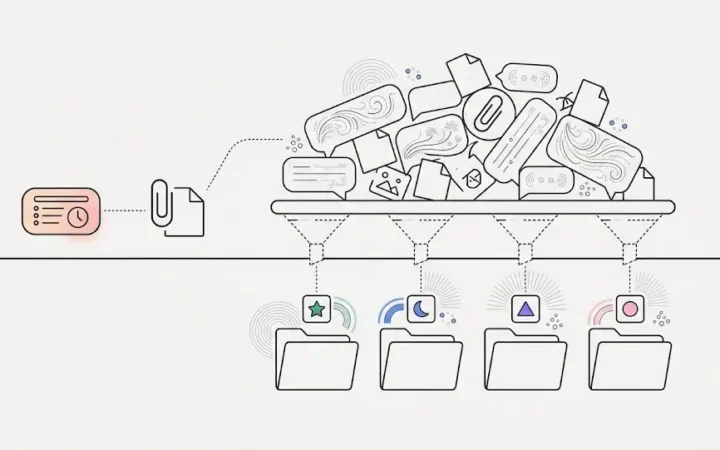
The triage inbox works because the rest of the system feeds it well. Patient messages arrive pre-read because ELVA handles the routine ones and routes only what needs a human; sensitive replies wait there for approval instead of auto-sending; the dental schedule management system sends in what it flags; overdue forms and verification problems surface themselves. The inbox isn’t another place to check — it’s the place that checks everything else. That inversion is what lets a practice learn how to scale a dental front desk without scaling its headcount.
See the command center inside the front office on the AI triage inbox for dental practices page.
Frequently Asked Questions
What is dental front desk task management with a triage inbox?
Everything that needs a human — missed calls, texts, emails, insurance issues, overdue forms, follow-ups — flowing into one list where each item arrives already read, summarized, attached to the right patient context, ranked by urgency, and paired with its proper next action. The team works top-down; the ranking is the workflow.
How does the triage inbox decide what’s urgent?
By the practice’s own rules. What counts as urgent, what routes where, and what ELVA may handle on its own versus hold for a person follow the Clinic Playbook the practice configured once — so the ranking reflects this owner’s priorities, not a vendor default.
Does the triage inbox replace checking texts, email, and the phone log?
It inverts them. Anything in those channels that needs a human lands in the inbox already read and summarized; routine items are handled under the practice’s rules without landing at all. The inbox isn’t another place to check — it’s the place that checks everything else.
How does this help a new front desk hire?
Triage judgment — knowing what’s urgent and what each item needs — normally separates a great lead from a new hire and takes years to build. With the ranking and the next step built into the list, a first-week hire works the day in the right order from day one.
What happens to sensitive items?
They wait for a person, by design. Replies on topics the practice marked sensitive are drafted and held in the inbox for approval rather than sent; emergencies are escalated for immediate attention. The list is where human judgment is applied — never bypassed.
Work the day in order. See the AI dental scheduling calendar, or the rules behind the ranking in the dental practice playbook.