
FrontDesk
FrontDesk
Twenty Locations, One Standard — Without Standing Over Anyone
You can't be in twenty buildings — so most groups choose between hovering and hoping. Here's the third option: the standard built into the system every desk works in, with organization rules on top, local refinement underneath, and enforcement that's a property of the software, not a behavior to police.
Dental Treatment Opportunities Get Lost When Every Appointment Looks the Same
The most valuable hours on the schedule quietly get the most generic handling — because on a flat grid, every appointment looks the same size. Here's weight made visible: big-case flags days ahead, walk-in/walk-out guidance on every visit, and the day's actionable value as a number.
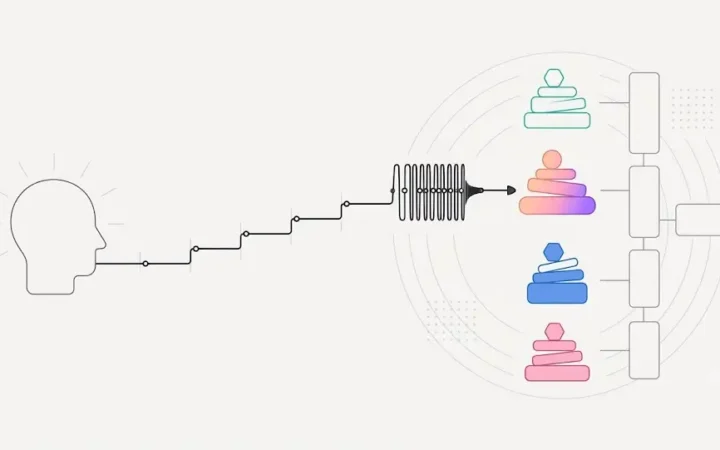
How to Train Dental Front Desk Staff Faster Than Six Months
The real cost of a front-desk hire is the six months — uneven patient experience, a veteran doing two jobs, value leaking from the schedule. Here's the case that the ramp is mostly information access, not skill: hand over the knowing, and what's left is what you hired for.
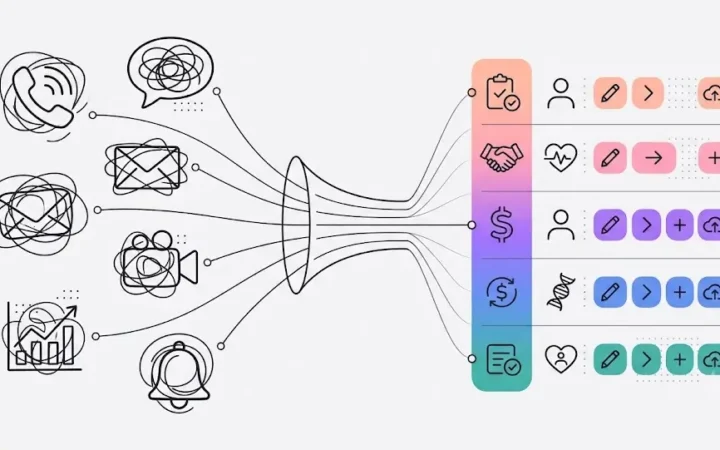
Dental Front Desk Task Management Isn’t a Workload Problem. It’s a “What First?” Problem.
It's rarely the volume that breaks a front desk — it's six unranked screens and a guess about what's urgent. Here's the triage inbox: everything needing a human in one list, pre-read, summarized, attached to the right patient, ranked by the practice's own rules, worked top-down.
Front Desk Insurance Questions: Why “Am I Covered?” Scares Everyone
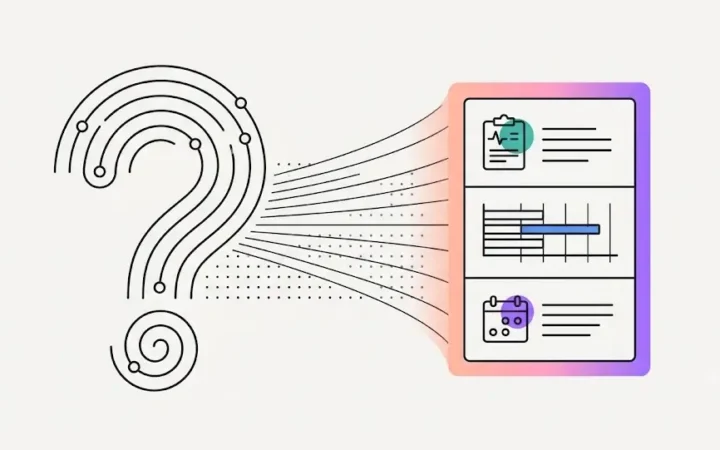
Veterans answer "am I covered?" from years of payer knowledge; everyone else improvises or stalls. Here's the conversation made readable: an eligibility snapshot, coverage by category, confidence-labeled per-procedure estimates, dated frequency answers, and pre-auth guidance that never dresses a prediction up as an approval.

Your Dental Morning Huddle Is Already Written Before You Walk In
The huddle is only as good as whoever assembled it — if anyone had time. Here's the morning briefing that's waiting before the team arrives: a booking heatmap, a tiered safety-net/blockers/opportunities analysis, the doctor's daily focus, and a ready roll-up, all by the practice's own rules.
It Doesn’t Hurt Yet” Is the Most Expensive Sentence in Dentistry
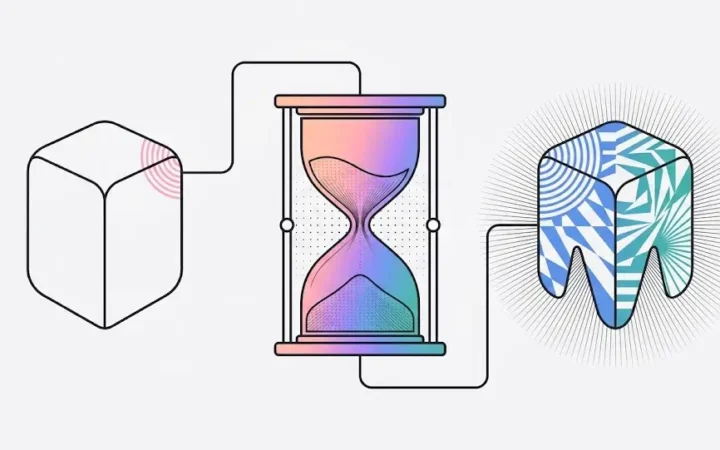
"It doesn't hurt yet" feels like permission to wait — because the cost of waiting is invisible at decision time. Here's how it becomes visible, honestly: plain-language cost of delay, a private urgency page in the patient's hands, and the one deadline that's pure financial fact.

The Fastest Way to Lose a Case Is a Vague Answer About Cost
The case doesn't die at the price — it dies at "we'll have to check with your insurance." Here's what an honest estimate looks like: per-procedure numbers, coverage plainly shown, frequency timing, and every figure labeled by how solid it is. The unknown number loses; the real one converts.
Experience Used to Take Years. Now It’s Your Dental Practice Playbook, Configured Once.
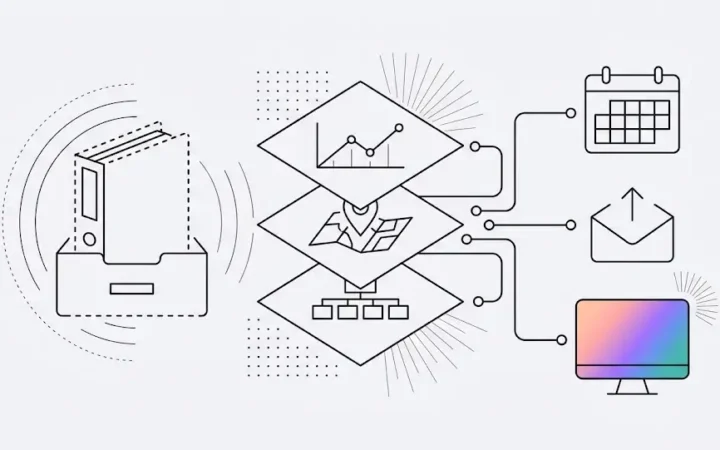
The veteran's knowledge isn't in any binder — it's in their head, and it leaves when they do. Here's how the Clinic Playbook changes where experience lives: rules set once, layered from organization to location, executed by the system on every interaction. Control without hovering; your playbook stays yours.
The Secret to a Great Treatment Plan Presentation Isn’t a Script. It’s Homework.
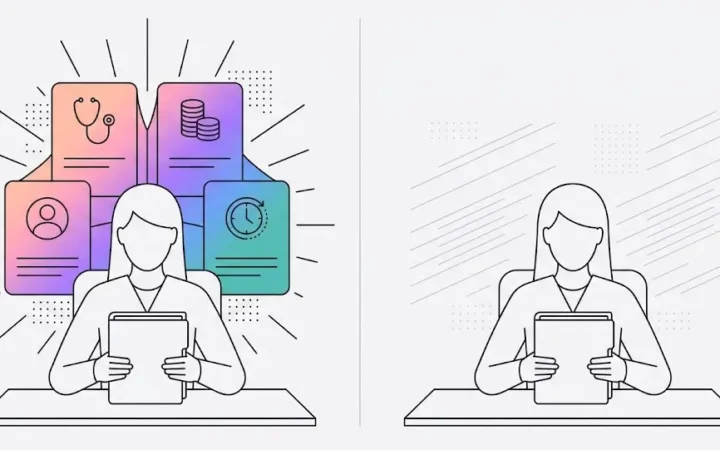
Your strongest coordinator doesn't rehearse closing lines — they do homework. Here's how ELVA does that homework automatically before every case conversation: the recommendation, the honest money, the patient's situation, the stakes of waiting. Facts with evidence, never sales scripts, for every coordinator.