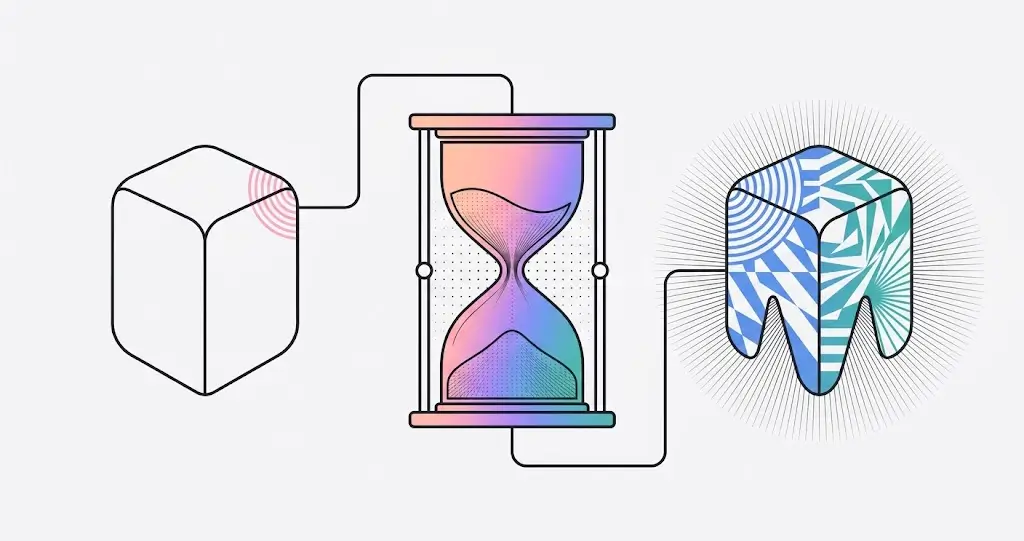
A patient with a cracked filling and no pain has, in their mind, a perfectly reasonable plan: wait. Nothing hurts, money is real, and “you should take care of this eventually” sounds exactly like permission. So they wait — and dentistry has an unkind property that almost no other purchase shares: the price of waiting is usually paid in both directions. The condition tends to get more involved if it progresses, and the financial picture often worsens with it — a benefit year ends unused, a smaller fix becomes a larger one. The cost of delaying dental treatment is real; it’s just invisible at the moment the patient decides.
That invisibility is the practice’s problem to solve, not the patient’s failure to grasp. Telling someone “you really should do this” adds pressure without adding information. Showing them what waiting actually means — plainly, honestly, in their own numbers — adds information without adding pressure. Patients can be trusted with the truth. Most software never gives it to them.
How ELVA makes the cost of waiting visible
- The cost of delay, in plain language. For the patient’s specific plan, ELVA frames what putting it off actually means — clinically (treatment that can become more involved if the condition progresses) and financially (a benefit that may expire unused, a smaller procedure that may no longer be an option later). It’s the truth, made visible — not a fear script.
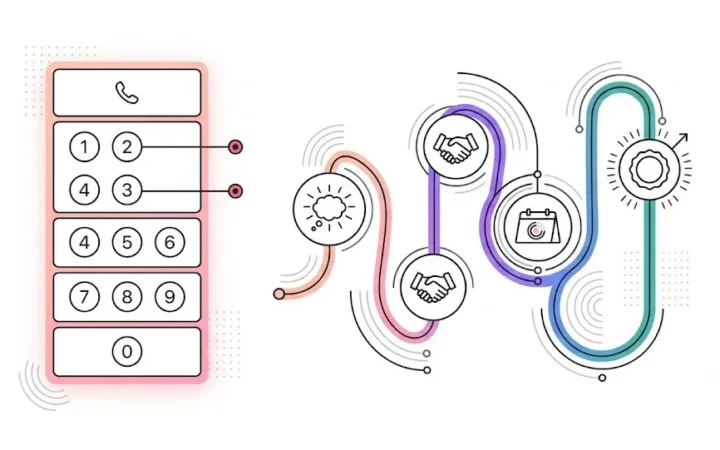
- A page that belongs to the patient. Every patient gets their own private urgency page — a secure link where they can see their unscheduled treatment explained simply, the insurance math right there, and a direct path to book. No login, no portal password, no salesperson on the line. Their situation, in their hands, on their time.
- The deadline that’s real. Insurance benefits are use-it-or-lose-it on a calendar, and an expiring benefit is the rare urgency that’s purely financial fact. ELVA surfaces it in the case conversation — and it’s the same signal the benefits-utilization recall program works at year-end for patients who already left.
Honest urgency is not pressure — the line matters
It’s worth being precise about the line this walks, because it’s the same line that separates a trustworthy practice from a pushy one. Pressure is manufactured: invented deadlines, inflated consequences, “spots are filling fast.” Honest urgency is disclosed: this is your condition as diagnosed, this is what the progression risk generally means, this is your benefit and when it expires, this is the price difference between the smaller fix and the larger one. One manipulates the patient’s anxiety; the other respects the patient’s intelligence.
The distinction isn’t just ethical hygiene — it’s why this works. Manufactured urgency converts once and burns trust; disclosed urgency converts and compounds, because the patient who acted on honest information and had a good outcome becomes the patient who trusts the next recommendation. Pressure is one of the five reasons patients decline in the first place; a system built on honest urgency removes friction instead of adding it.
“Why now” finishes what “what” and “how much” started
A patient who understands the plan and trusts the number can still rationally wait — until the cost of waiting is on the table too. That’s why this is the third move of the case acceptance engine: the prepared conversation explains what, the honest estimate answers how much, and the cost of delay answers why now. Leave the third question unanswered and “eventually” wins by default.
See how the urgency page and the case flow fit together on the ELVA Treatment Plans page.
Frequently Asked Questions
What is the cost of delaying dental treatment?
It’s usually paid in both directions: clinically, conditions tend to become more involved if they progress; financially, benefit years expire unused and smaller fixes can become larger ones. The cost is real but invisible at decision time — which is why making it plainly visible, in the patient’s own numbers, changes the decision.
How do you create urgency without pressuring patients?
By disclosing rather than manufacturing. Honest urgency is the patient’s actual situation: the diagnosed condition, what progression generally means, their real benefit deadline, the real price difference between acting now and later. Pressure invents deadlines and inflates consequences; disclosure respects the patient’s intelligence — and converts better over time.
What is a patient urgency page?
A private, secure page belonging to the patient where their unscheduled treatment is explained simply — with the insurance math visible and a direct path to book. No login or portal password; they review it on their own time, without anyone watching them decide.
Do expiring insurance benefits really move treatment decisions?
Yes — an expiring benefit is the rare urgency that’s purely financial fact: unused coverage on a calendar deadline. Surfacing it honestly in the case conversation, and again at year-end through recall for patients who left undecided, turns “eventually” into a dated decision.
Does ELVA tell patients their condition will get worse?
No — it frames, in plain language, what delay generally means for the diagnosed treatment, clinically and financially, based on the practice’s recommendation. The clinical judgment is the dentist’s; ELVA’s job is making the dentist’s existing recommendation and its real stakes visible and understandable, not making predictions about an individual’s health.
Answer “why now” honestly. See ELVA Treatment Plans, or the move that follows: making yes effortless.