
Case Acceptance
Case Acceptance
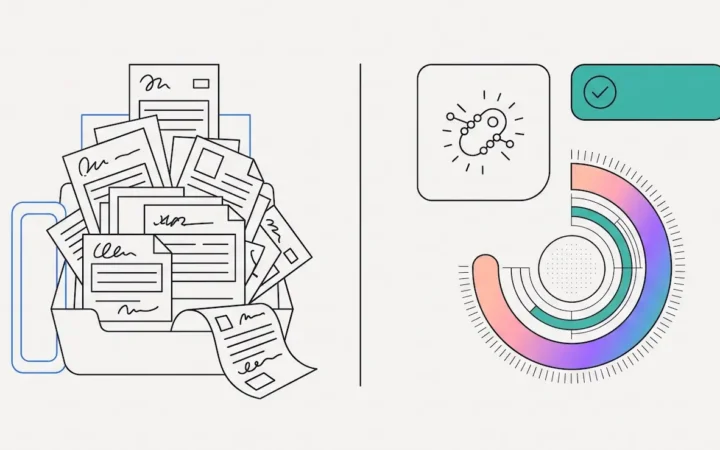
The $50k Bottleneck: Dental Prior Authorization Software for Growing Groups
When a patient accepts a comprehensive treatment plan, their clinical urgency is at its peak. If your staff takes 14 days to secure financial clearance, case acceptance drops dramatically. Discover how scaling practice groups use dental prior authorization software to eliminate manual faxes, speed up payer approvals, and recapture millions in lost revenue.
Dental Treatment Opportunities Get Lost When Every Appointment Looks the Same
The most valuable hours on the schedule quietly get the most generic handling — because on a flat grid, every appointment looks the same size. Here's weight made visible: big-case flags days ahead, walk-in/walk-out guidance on every visit, and the day's actionable value as a number.
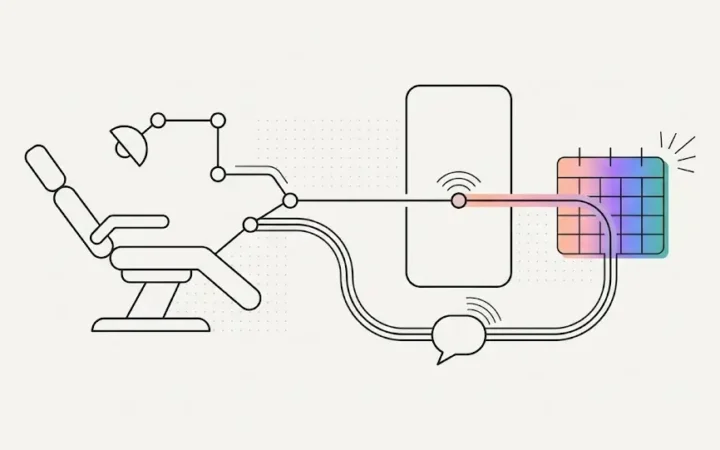
Treatment Plan Follow-Up: The Case Isn’t Lost, the Follow-Up Never Happened
The consult went fine; the patient was interested; life happened. Here's how the momentum gap closes: the plan on their phone with a one-tap accept, instant answers back to the team, and follow-up for the undecided that's written for that specific person — running until they act, stopping when they do.
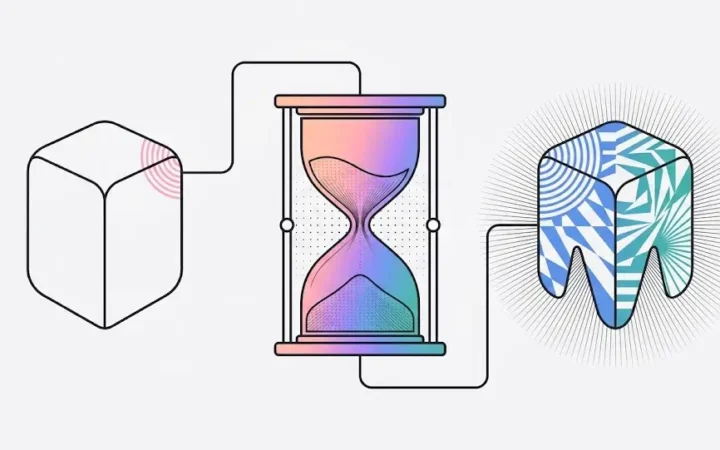
It Doesn’t Hurt Yet” Is the Most Expensive Sentence in Dentistry
"It doesn't hurt yet" feels like permission to wait — because the cost of waiting is invisible at decision time. Here's how it becomes visible, honestly: plain-language cost of delay, a private urgency page in the patient's hands, and the one deadline that's pure financial fact.
The Fastest Way to Lose a Case Is a Vague Answer About Cost
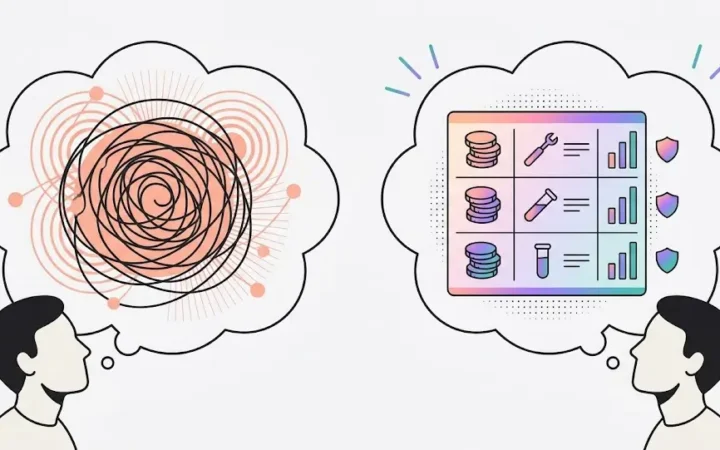
The case doesn't die at the price — it dies at "we'll have to check with your insurance." Here's what an honest estimate looks like: per-procedure numbers, coverage plainly shown, frequency timing, and every figure labeled by how solid it is. The unknown number loses; the real one converts.
The Secret to a Great Treatment Plan Presentation Isn’t a Script. It’s Homework.
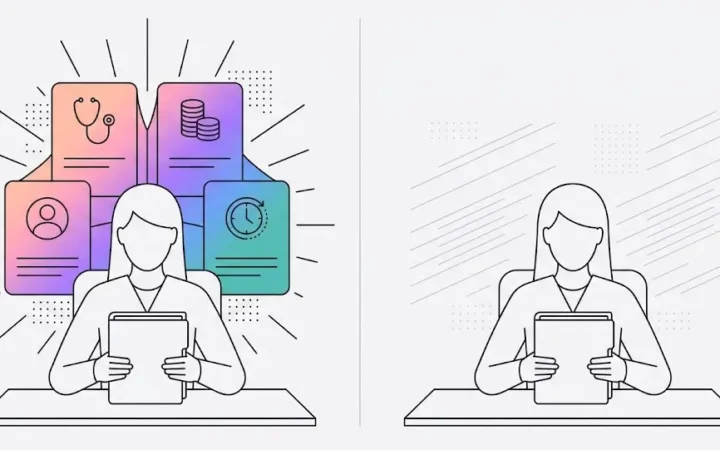
Your strongest coordinator doesn't rehearse closing lines — they do homework. Here's how ELVA does that homework automatically before every case conversation: the recommendation, the honest money, the patient's situation, the stakes of waiting. Facts with evidence, never sales scripts, for every coordinator.

Why Patients Decline Dental Treatment: It’s Confusion, Not Rejection
The chart says "declined," but that's almost never what happened. Patients decline confusion, cost uncertainty, invisible urgency, pressure, and dropped follow-up — five frictions, every one fixable by the practice. Here's the taxonomy, and what's deliberately not on the list.
Dental Case Acceptance Rate: The Cheapest Growth Lever You Already Have
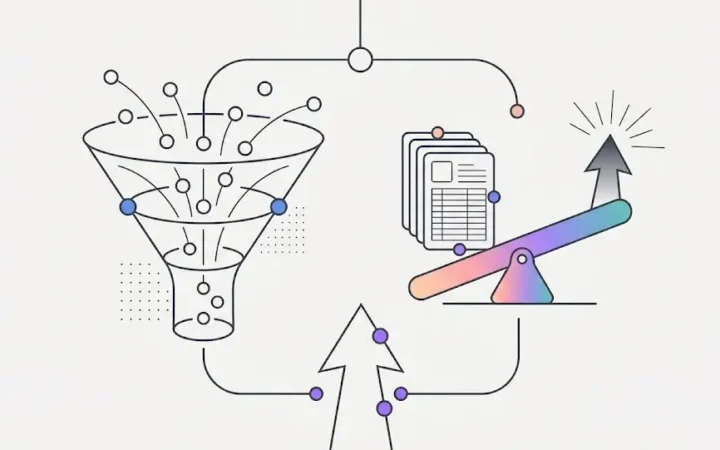
The patients are already there and the treatment is already diagnosed — so the most valuable number in the practice is how much of it gets done. Benchmarks, the perception gap (dentists estimate ~90%; reality often runs 30 points lower), and the five moves of a real case acceptance engine.