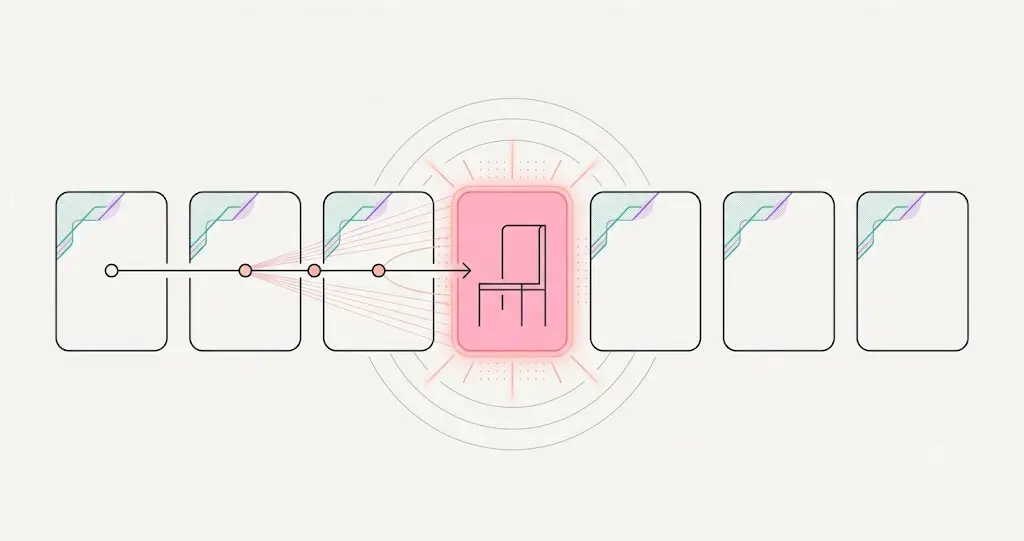
The no-show feels like a lightning strike — the 2pm crown just… didn’t come — but the data says otherwise. Industry reporting puts the average dental no-show rate around 15%, with each missed appointment costing roughly $200–$400 in production that can never be recovered, and over a third of misses caused by simple forgetfulness. None of that is random. Behind the scenes, ELVA’s AI brain for dental practices is what spots the pattern: a forgetful patient is a patient who didn’t confirm — and an unconfirmed appointment is visible on the schedule for days before it becomes an empty chair. To prevent dental no-shows, you don’t need to predict the future. You need a schedule that points at the announcements.
The clearest evidence is the confirmation gap: per industry benchmarks, average practices confirm about 44% of scheduled appointments, while the top 10% confirm 87% — and that same top tier holds no-show rates near 1%. The best practices aren’t luckier. They’re working the unconfirmed list earlier and harder, because they can see it.
How to Prevent Dental No-Shows: What the Calendar Surfaces Days Ahead
- The unconfirmed flag — red, not subtle. Every appointment whose patient hasn’t confirmed carries a critical flag, and the cell shows it. Tomorrow’s risks are visible today; dental appointment flags make Thursday’s visible Monday, in the Next 7 Days view.
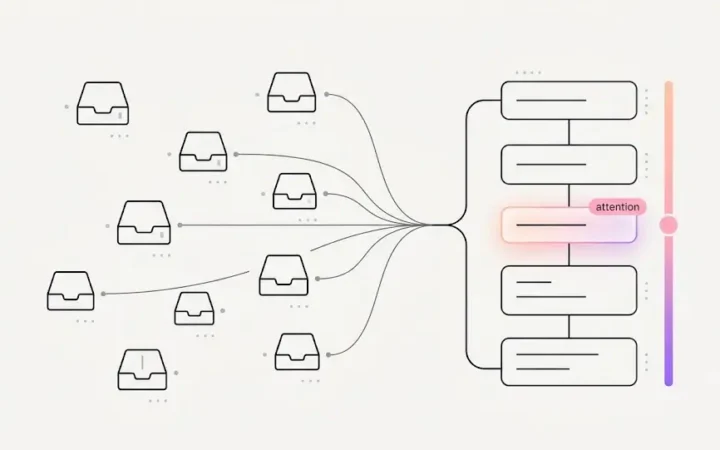
- The at-risk count, as a number. The week’s KPIs track at-risk appointments (critical versus needs-attention) and the practice’s confirmation rate with its trend — so “how exposed are we this week?” has an answer, not a vibe.
- Reminder acknowledgement, tracked. Not just “did we send a reminder” but “did the patient acknowledge it” — the difference between outreach that happened and outreach that landed.
- The follow-through, counted. No-shows that do happen are tallied with the production lost, so the cost stops being invisible and the trend is managed like any other number.
Preventing Dental No-Shows: Seeing Is Half, Acting Is the Other
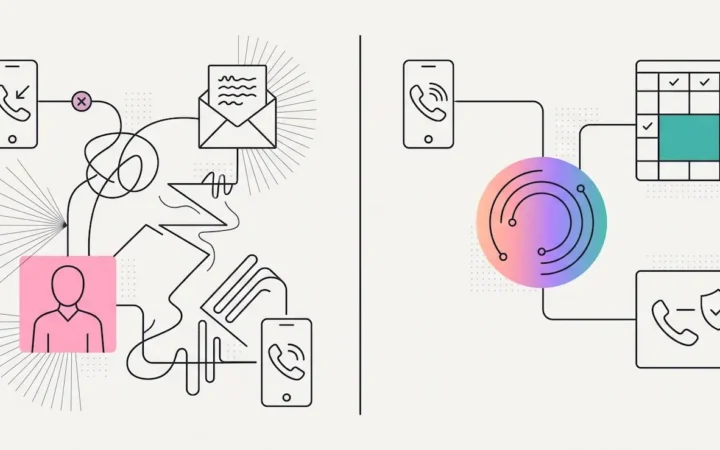
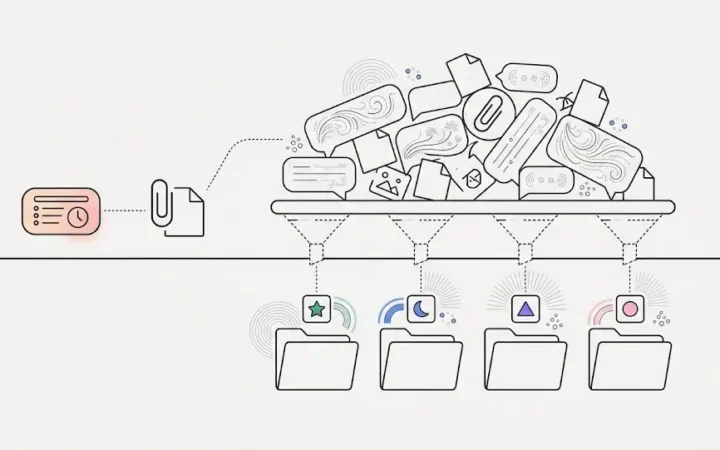
This post is about the seeing — the schedule-side early warning. The acting side is the practice’s confirmation outreach, and that’s its own machine: multi-step confirmation sequences that escalate across text, email, and a call, adapt to what the patient does, and stop the moment they confirm. The two halves are designed for each other — the calendar shows which patients the sequences haven’t landed with yet, while the sequences work the list so the red flags turn green without anyone manually dialing down a spreadsheet. And when a slot does break anyway, the gap shows up as a dental treatment opportunities fillable slot, not just a hole.
Prevent Dental No-Shows by Shifting From Autopsy to Weather Report
Most practices manage no-shows retrospectively — count them at month-end, sigh, tighten the policy. That’s an autopsy. An early-warning schedule turns the same problem into a weather report: here is Thursday’s exposure, today, while there’s still time to act on it. The difference compounds across dental schedule management that’s checking everything else too — because the unconfirmed visit is just one of the things hiding in a passive grid, and the practice that can see them stops paying for them.
See the flags and the week’s risk picture in the calendar.
Frequently Asked Questions
How do you prevent dental no-shows?
Treat them as visible risks, not lightning strikes: surface every unconfirmed appointment days in advance with a critical flag, track the week’s at-risk count and confirmation rate as numbers, run escalating confirmation outreach that adapts until the patient confirms — and count the no-shows that still happen, with their cost, so the trend is managed.
What is the average dental no-show rate?
Industry reporting puts it around 15%, with each missed appointment representing roughly $200–$400 in unrecoverable production — while the top-performing practices hold rates near 1%. The spread is operational, not luck: it tracks closely with how early and consistently the unconfirmed list gets worked.
Why is confirmation rate the number to watch?
Because it’s the leading indicator. Benchmarks put average practices at ~44% of appointments confirmed versus 87% for the top tier — and the confirmation gap maps directly onto the no-show gap. Over a third of misses are simple forgetfulness, which is exactly what confirmation catches.
How far in advance can no-show risk be seen?
As far as the schedule runs. The Next 7 Days view carries the same flags as today’s — so Thursday’s unconfirmed visits are visible on Monday, with the week’s at-risk count and confirmation trend summarized, while there’s still time for outreach to land.
What’s the difference between this and appointment reminders?
Reminders are the acting half; this is the seeing half. The calendar shows which appointments are still at risk (including whether reminders were acknowledged, not just sent); the confirmation sequences work that list across channels until patients confirm. Each makes the other measurable.
Get the weather report, not the autopsy. See the AI dental scheduling calendar, or the acting half: automated recall management system sequences that adapt.