
Front Desk & Scheduling
Front Desk & Scheduling
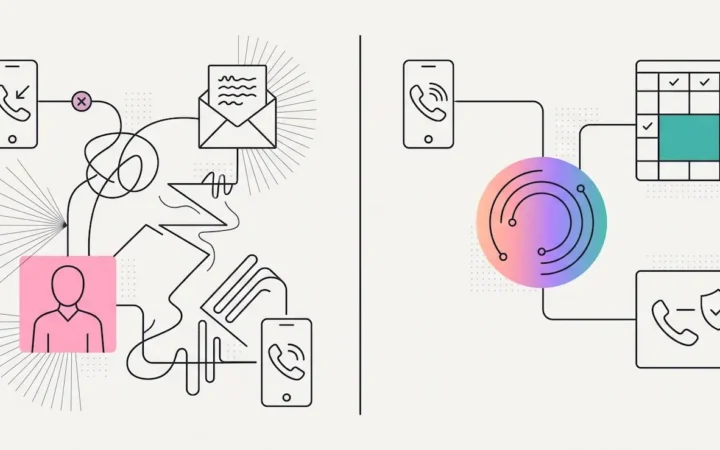
The Best AI Receptionist for Dental Offices in 2026: A Buyer’s Guide
Six best dental AI receptionists compared on what actually separates them: whether they write confirmed appointments into your PMS, whether they respect your scheduling rules when they do, and whether they work the phone in the other direction — calling carriers to verify benefits and chase claims.
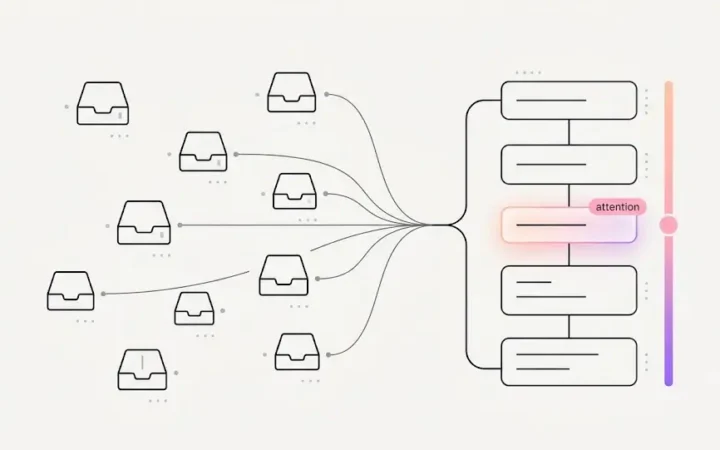
A Dental Triage Inbox Replaces Ten Inboxes With One Ranked List
Channels are plumbing; attention is the product. The triage inbox is ELVA's most distinctive idea explained as an idea: one list of everything needing a human — pre-read, patient-attached, ranked by your standards — fed by every channel, so "is anything waiting?" finally has a checkable answer.
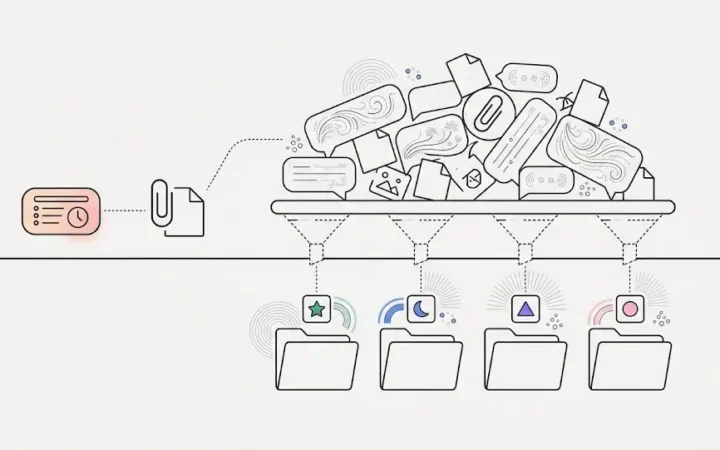
Dental Email Management Without Handing Your Inbox to a Vendor’s Servers
Whoever opens the practice inbox becomes a filing clerk — and most tools "fix" it by copying your entire email history onto their servers. Here's both problems solved: AI-maintained folders, one-line digests, replies governed by your rules, and digests-not-archives privacy with attachments never copied.
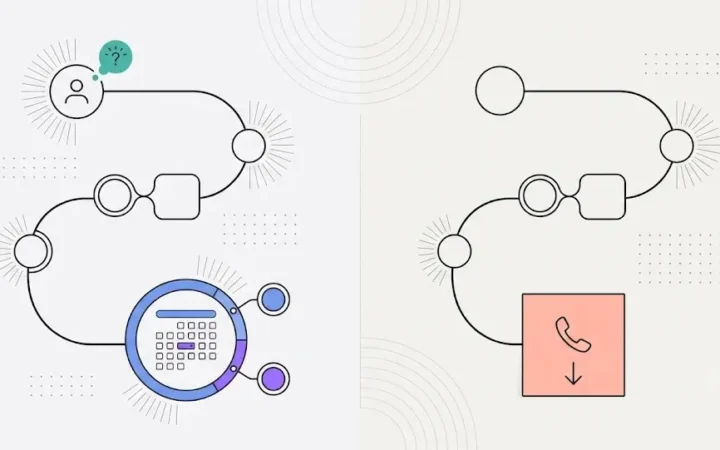
Text Appointment Booking Should Finish the Job, Not Just Log a Request
The test isn't whether the messaging can talk — it's whether anything is finished when the thread goes quiet. Here's what gets completed inside the conversation: bookings for new and returning patients, whole families, reschedules, real confirmations, insurance capture, and the practice's own answers at texting speed.
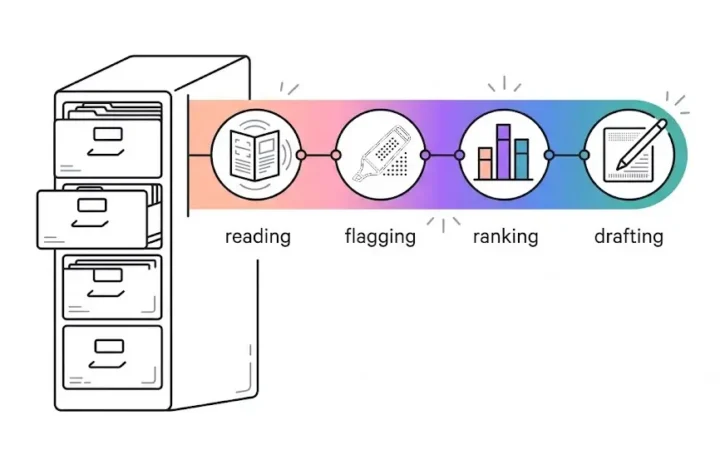
Dental Front Office Software Needs a System of Action, Not Just Records
A system of record stores the schedule, charts, and messages — and leaves the only question that matters to the team: "what needs my attention, and what should I do about it?" Here's the system of action: the layer that reads everything, ranks what needs a human, and runs your rules at every desk.
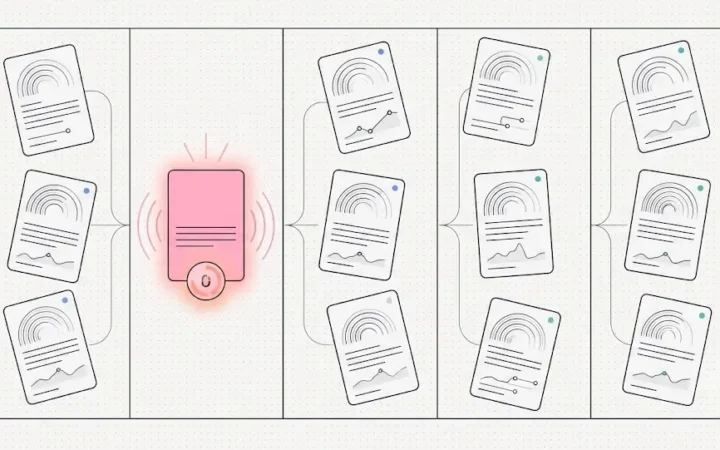
Dental Patient Flow: Nobody Should Be Forgotten in Your Waiting Room
Nothing in the software was wrong — and a patient still sat unnoticed for 25 minutes. Here's the live board that closes the gap: five lanes from Arriving Soon to Finished, time-in-state on every patient, room utilization, and waiting-room alarms that make noticing a system behavior.
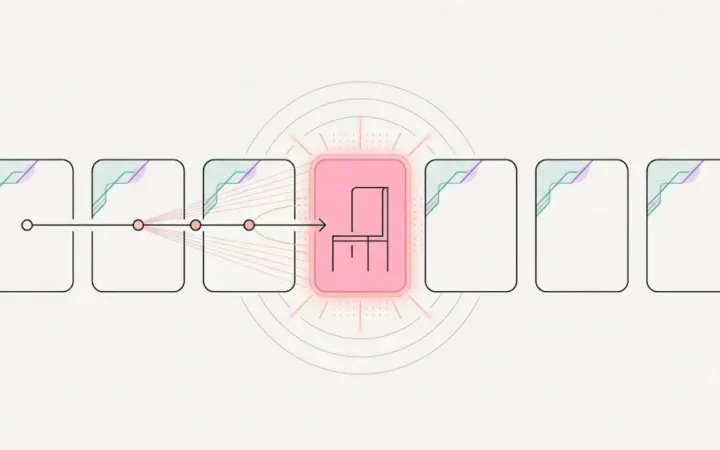
How to Prevent Dental No-Shows: They Announce Themselves Days in Advance
The 2pm crown that just didn't come was visible for days: an unconfirmed appointment is an announced risk. Average practices confirm ~44% of visits; the top tier confirms 87% and no-shows near 1%. Here's the early-warning schedule — flags, at-risk counts, and the shift from autopsy to weather report.
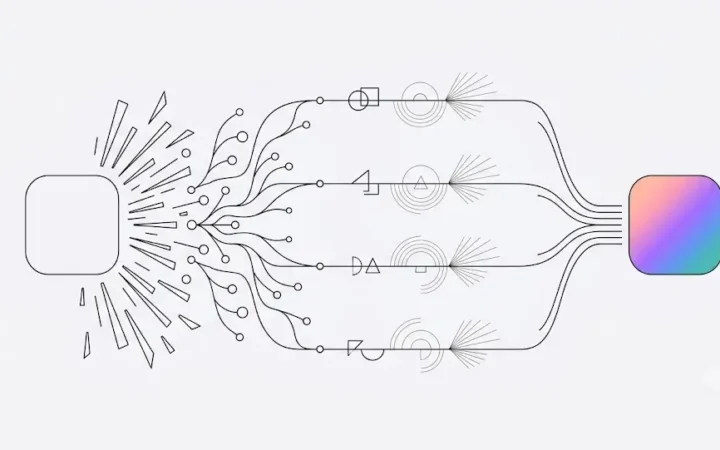
Dental Appointment Flags: The Veteran’s Instant Read, Made Automatic
The veteran's instant read — new patient, unconfirmed, big case, balance due, nervous — made automatic on every appointment: 20+ signals checked continuously, four flag tiers, smart escalations, and a color rollup that shows priority at a glance. The practice sets what matters; the schedule registers it.
Dental Schedule Management That Checks Itself, Not Just Displays the Grid
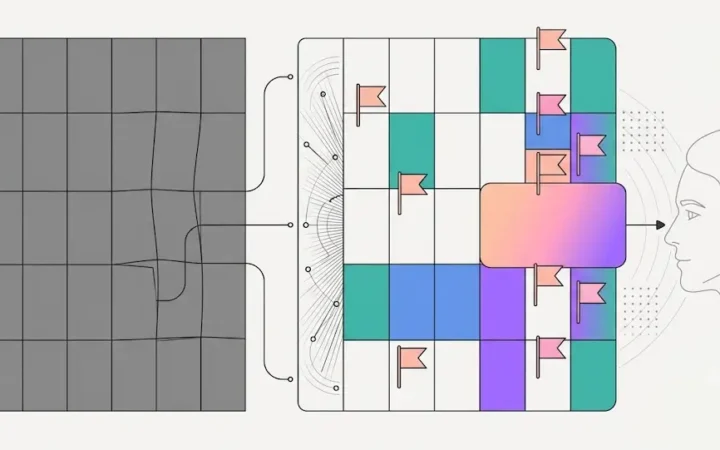
The night-before fear is always a surprise hiding in a grid of names and times. Here's the calendar that removes the hiding places: every appointment checked against your own rules, priority rolled into cell colors, risks and opportunities surfaced before the day starts — four views, one checked truth.
How to Train Dental Front Desk Staff Faster Than Six Months
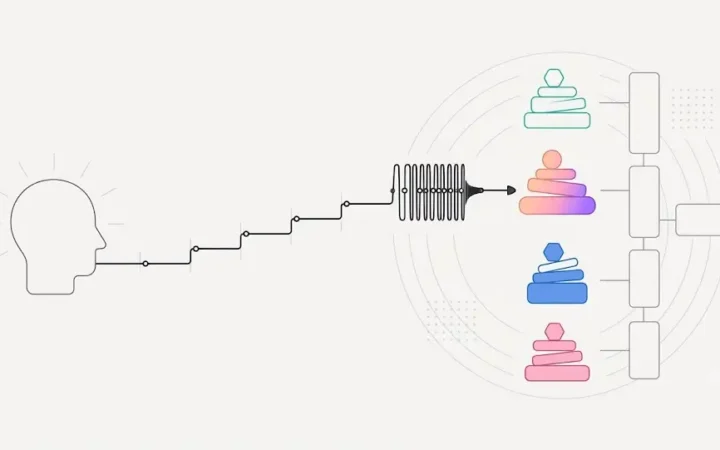
The real cost of a front-desk hire is the six months — uneven patient experience, a veteran doing two jobs, value leaking from the schedule. Here's the case that the ramp is mostly information access, not skill: hand over the knowing, and what's left is what you hired for.