
Patient Communication
Patient Communication
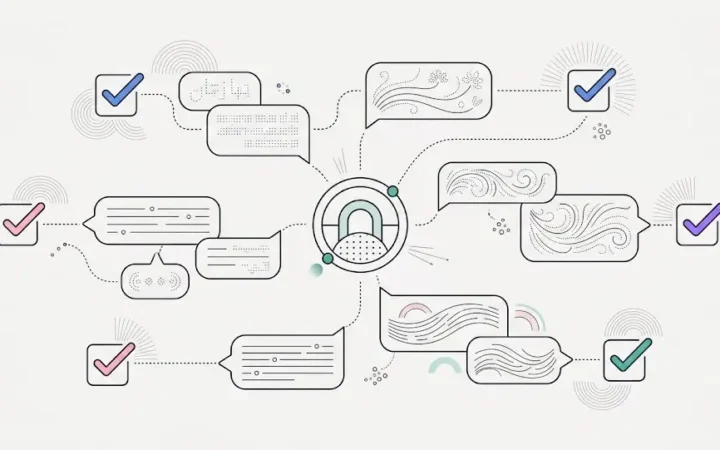
A Practice That Speaks the Patient’s Language Keeps the Patient
The patient navigating care in their second language doesn't complain — they ask fewer questions, postpone treatment, and quietly drift to the practice where someone speaks their language. Here's how every conversation, booking, and reminder meets patients in their own words, automatically.
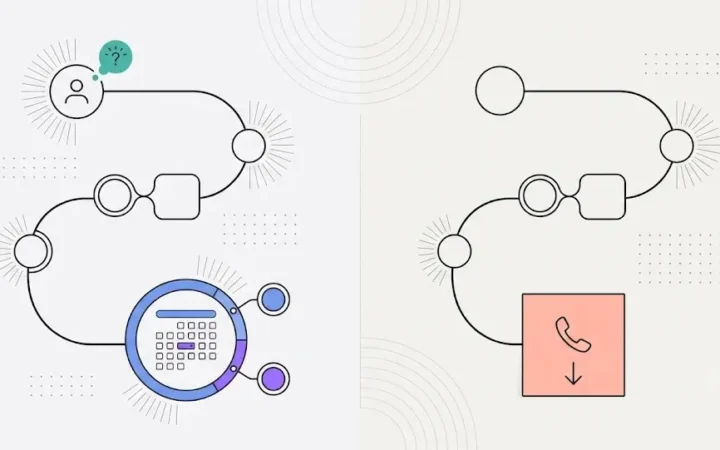
Text Appointment Booking Should Finish the Job, Not Just Log a Request
The test isn't whether the messaging can talk — it's whether anything is finished when the thread goes quiet. Here's what gets completed inside the conversation: bookings for new and returning patients, whole families, reschedules, real confirmations, insurance capture, and the practice's own answers at texting speed.
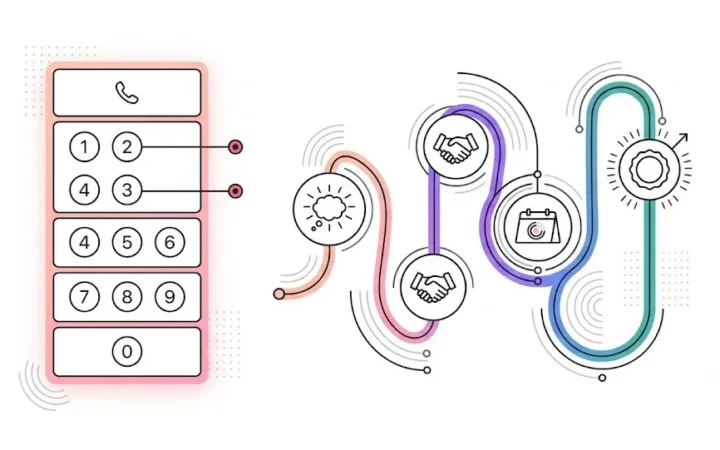
“Reply 1 to Confirm” Is Where Conversations Go to Die
For years, “automated” patient messaging meant a broadcast with a keypad: the practice sent a reminder, the patient could answer YES or…
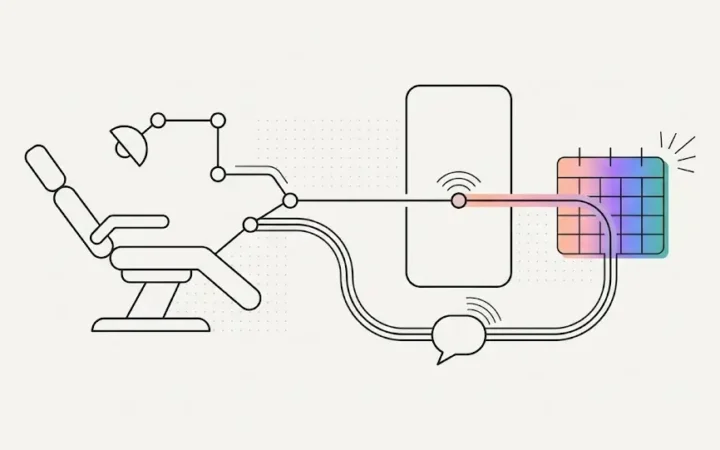
Treatment Plan Follow-Up: The Case Isn’t Lost, the Follow-Up Never Happened
The consult went fine; the patient was interested; life happened. Here's how the momentum gap closes: the plan on their phone with a one-tap accept, instant answers back to the team, and follow-up for the undecided that's written for that specific person — running until they act, stopping when they do.
It Doesn’t Hurt Yet” Is the Most Expensive Sentence in Dentistry
"It doesn't hurt yet" feels like permission to wait — because the cost of waiting is invisible at decision time. Here's how it becomes visible, honestly: plain-language cost of delay, a private urgency page in the patient's hands, and the one deadline that's pure financial fact.

Why Patients Decline Dental Treatment: It’s Confusion, Not Rejection
The chart says "declined," but that's almost never what happened. Patients decline confusion, cost uncertainty, invisible urgency, pressure, and dropped follow-up — five frictions, every one fixable by the practice. Here's the taxonomy, and what's deliberately not on the list.
We Never Let Our AI Grade Its Own Homework
"Trustworthy AI" is on every vendor's slide; almost none can show the machinery behind it. See how ELVA backs the claim — every patient message reviewed before it sends, an independent program (not the AI itself) measuring quality with human oversight, and restraint engineered in. Trustworthy AI patient messaging you can actually inspect.
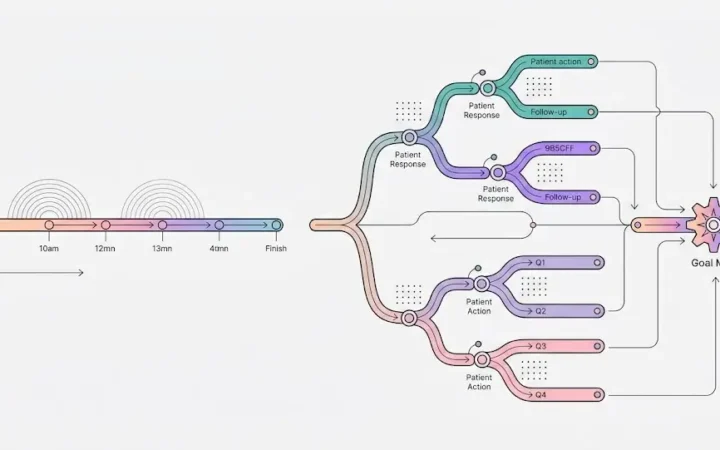
Personalized Patient Communication That Isn’t a Template With a Name Merged In
Patients can tell when a message was written for a thousand people and sent to them. Personalized patient communication that lands needs more than a merge field — it needs a message composed for the person reading it. Here's how the ELVA Brain writes each one individually: personal enough to land, tactful enough to trust.