
The Elva Team
We build and pressure-test the AI that runs the modern dental front office — from the receptionist that answers the phone to the systems that keep the schedule and the ledger in sync.
The Elva Team
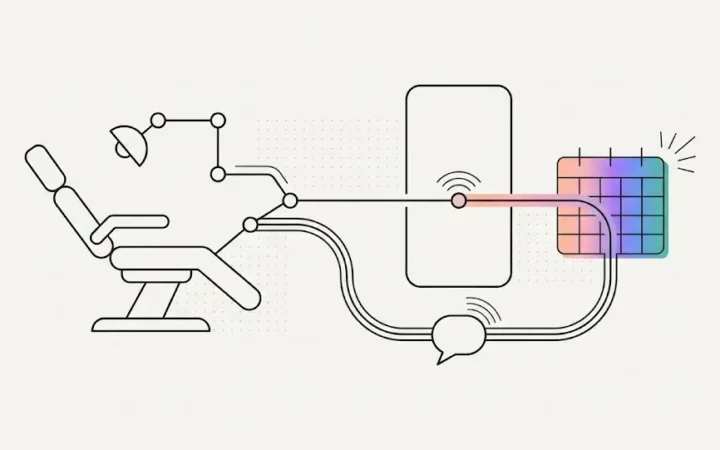
Treatment Plan Follow-Up: The Case Isn’t Lost, the Follow-Up Never Happened
The consult went fine; the patient was interested; life happened. Here's how the momentum gap closes: the plan on their phone with a one-tap accept, instant answers back to the team, and follow-up for the undecided that's written for that specific person — running until they act, stopping when they do.
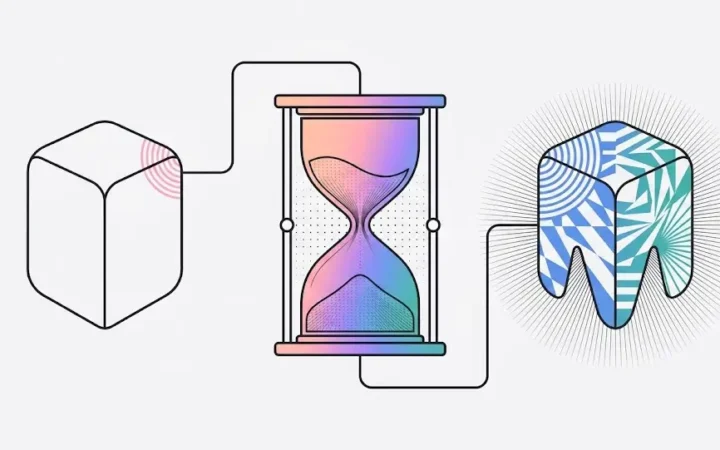
It Doesn’t Hurt Yet” Is the Most Expensive Sentence in Dentistry
"It doesn't hurt yet" feels like permission to wait — because the cost of waiting is invisible at decision time. Here's how it becomes visible, honestly: plain-language cost of delay, a private urgency page in the patient's hands, and the one deadline that's pure financial fact.
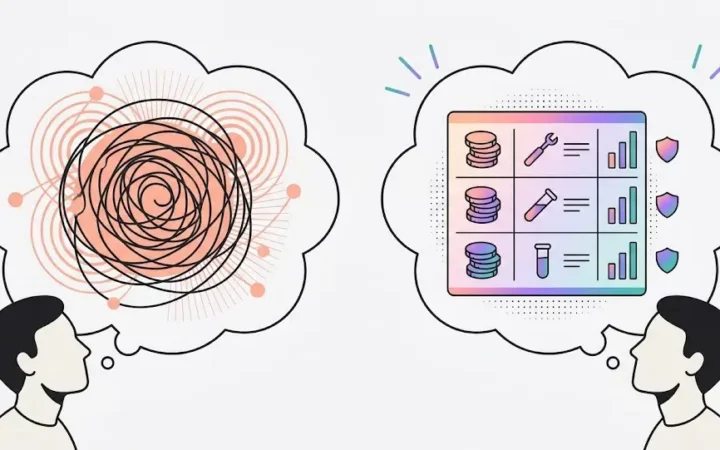
The Fastest Way to Lose a Case Is a Vague Answer About Cost
The case doesn't die at the price — it dies at "we'll have to check with your insurance." Here's what an honest estimate looks like: per-procedure numbers, coverage plainly shown, frequency timing, and every figure labeled by how solid it is. The unknown number loses; the real one converts.
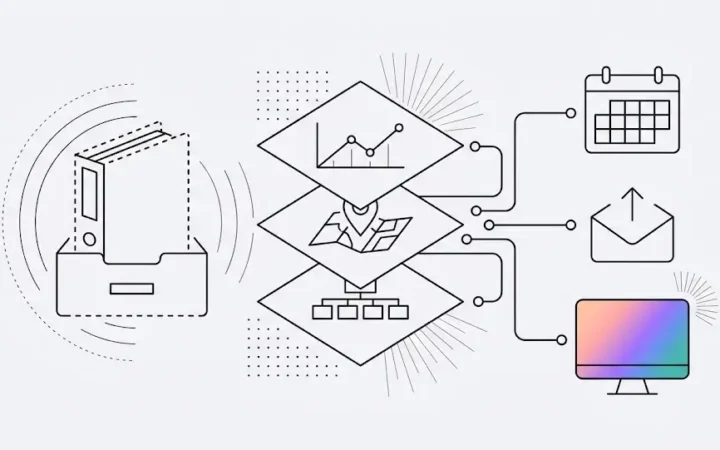
Experience Used to Take Years. Now It’s Your Dental Practice Playbook, Configured Once.
The veteran's knowledge isn't in any binder — it's in their head, and it leaves when they do. Here's how the Clinic Playbook changes where experience lives: rules set once, layered from organization to location, executed by the system on every interaction. Control without hovering; your playbook stays yours.
The Secret to a Great Treatment Plan Presentation Isn’t a Script. It’s Homework.
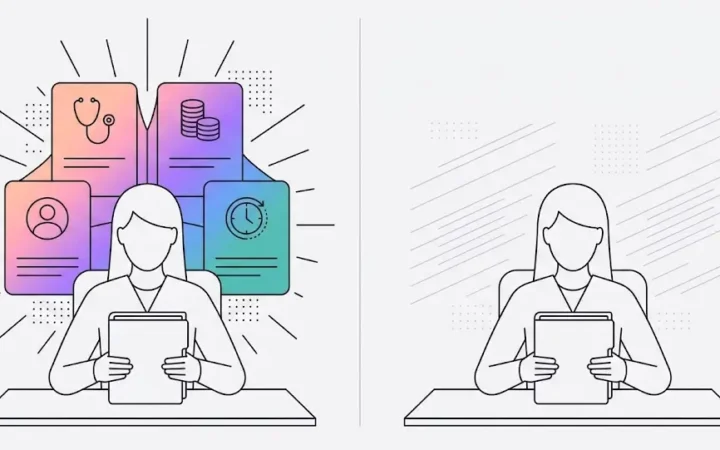
Your strongest coordinator doesn't rehearse closing lines — they do homework. Here's how ELVA does that homework automatically before every case conversation: the recommendation, the honest money, the patient's situation, the stakes of waiting. Facts with evidence, never sales scripts, for every coordinator.

Why Patients Decline Dental Treatment: It’s Confusion, Not Rejection
The chart says "declined," but that's almost never what happened. Patients decline confusion, cost uncertainty, invisible urgency, pressure, and dropped follow-up — five frictions, every one fixable by the practice. Here's the taxonomy, and what's deliberately not on the list.
Dental Case Acceptance Rate: The Cheapest Growth Lever You Already Have
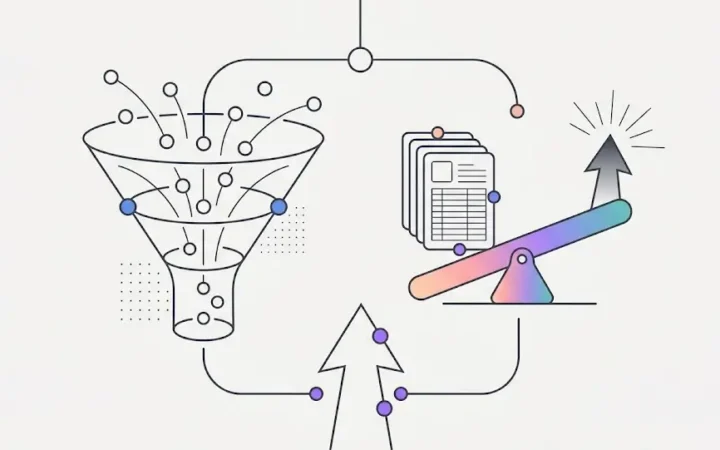
The patients are already there and the treatment is already diagnosed — so the most valuable number in the practice is how much of it gets done. Benchmarks, the perception gap (dentists estimate ~90%; reality often runs 30 points lower), and the five moves of a real case acceptance engine.
Your Phone Calls Are the Best Market Research You’re Throwing Away
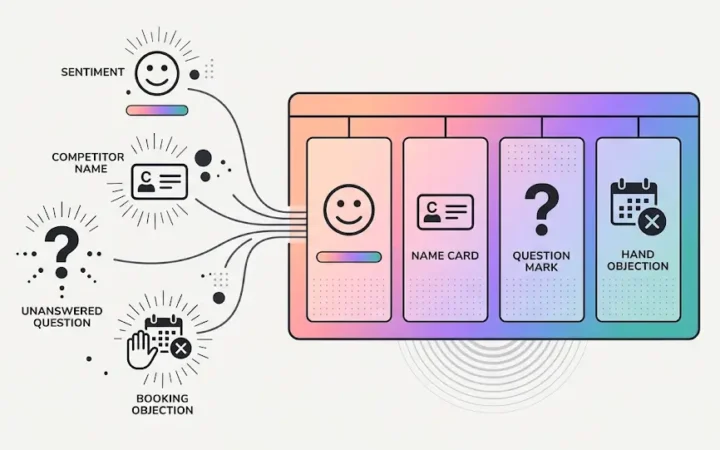
Patients tell you exactly what they want, what confused them, and what a competitor offered — out loud, on the phone, for free — and at most practices it evaporates the second the call ends. Here's the analytics that catch it: sentiment trends, knowledge gaps, competitor mentions, and the real reasons callers don't book.
AI on the Phones Doesn’t Mean Humans Off the Hook
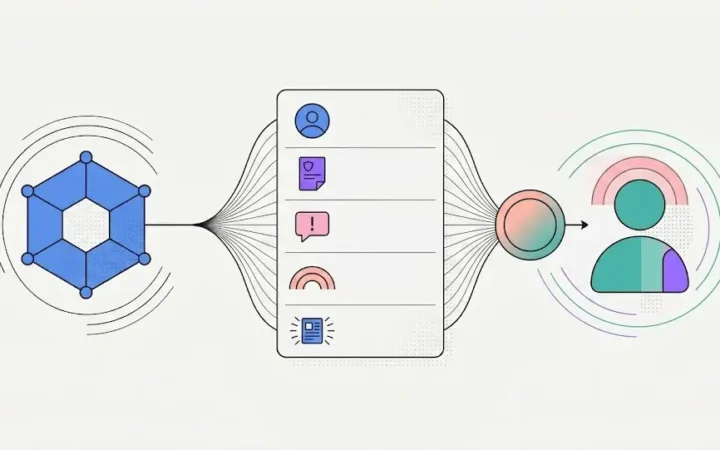
The real reason practices hesitate to put AI on the phones is the nightmare call. Here's what makes it safe to turn on: warm transfers with full context, a review mode that earns trust before go-live, one-tap takeover, and a capability matrix that sets exactly what the AI may do on each channel.
The Worst Time for Your Phone to Ring Out Is a Dental Emergency
A patient in real pain calls one practice — and if it rings out, they're gone. Emergency triage is the phone's highest-stakes moment, and 63% of emergencies land after hours. Here's how an AI receptionist recognizes urgency, protects the right slot, and escalates to a human, without ever crossing into diagnosis.