
The Elva Team
We build and pressure-test the AI that runs the modern dental front office — from the receptionist that answers the phone to the systems that keep the schedule and the ledger in sync.
The Elva Team
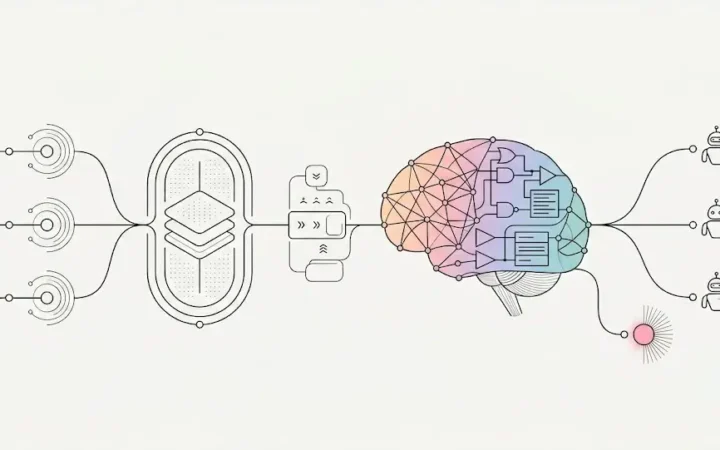
Under the Hood: The Engineering Behind the Practice Brain, for Technical Evaluators
Most "AI for dentistry" pitches give a technical evaluator nothing to evaluate. This is the opposite: the engineering behind ELVA's Practice Brain — neural-symbolic core, multi-agent shared memory, two-source knowledge acquisition, scoped-precedence governance, tiered PMS integration, and the security model — with every limit stated plainly.

“AI-Powered” Is Meaningless Now. Here’s What AI by Design Actually Means.
"AI-powered" has been attached to so many products it's stopped meaning anything — usually it's a chatbot bolted onto software designed before the AI existed. Here's what AI by design actually means, and why building intelligence into the foundation (not onto the surface) is what decides whether you can trust it.

How to Grow Your Dental Group Without Growing the Overhead That Eats the Margin
Operational leverage — growing locations faster than the cost of running them — is the entire DSO investment thesis, and traditionally overhead eats it location by location. Here's how to grow a dental group without growing overhead in proportion, by removing the costs that scale with location count at the architectural level.
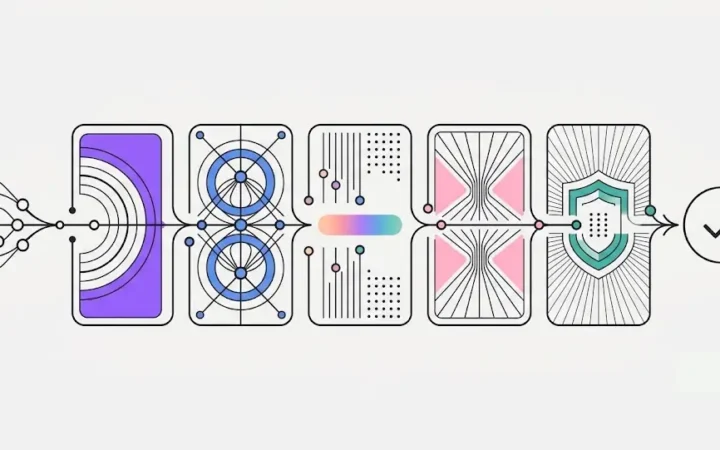
Can You Actually Defend Your AI to Your Board?
A solo practice adopts a tool because the owner likes it; a DSO has to defend it to a board, a sponsor, and a compliance function. Here's why "fully autonomous" AI fails that test — and the bounded, governed, auditable, scoped, and private posture that actually clears the bar.
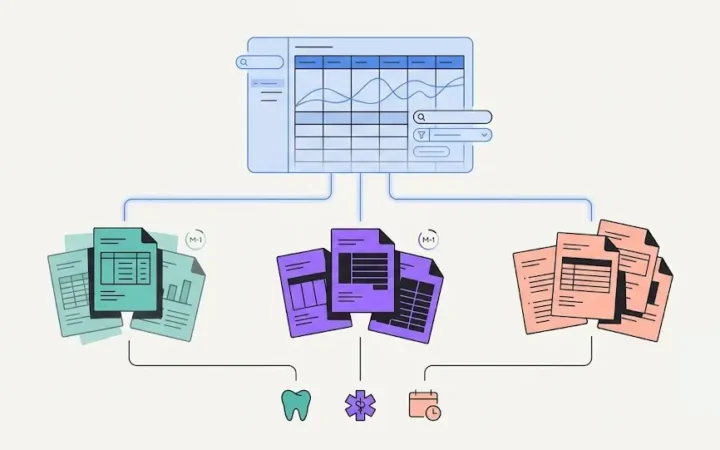
Stop Managing Your Group on Month-Old Numbers
A DSO operator running fifty locations gets the picture in hand-assembled, month-old roll-ups pulled from systems that don't talk to each other. Here's how to get real-time visibility across a mixed-PMS group — one current view, asked and answered, without forcing anyone onto the same software.

Your Next Acquisition Can Run Your Playbook on Day One — Whatever PMS It’s On
Every acquisition is an integration project, and the practice you just bought is on a different PMS than the rest of your group. Here's why your operating standard never actually depended on the software — and how a new acquisition can run your playbook on day one, whatever PMS it's on, without a migration.
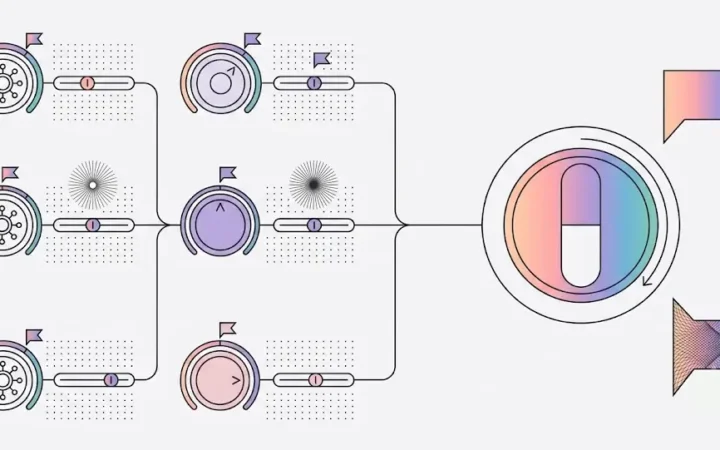
You Promised the Dentist His Autonomy. You Also Need Consistency. You Can Actually Have Both.
You promised the selling dentist he could run it his way; you also need group consistency. Most software forces you to pick one. Here's why the standardize-versus-autonomy fight was never a real binary — if your system can set precedence decision by decision instead of once for the whole relationship.
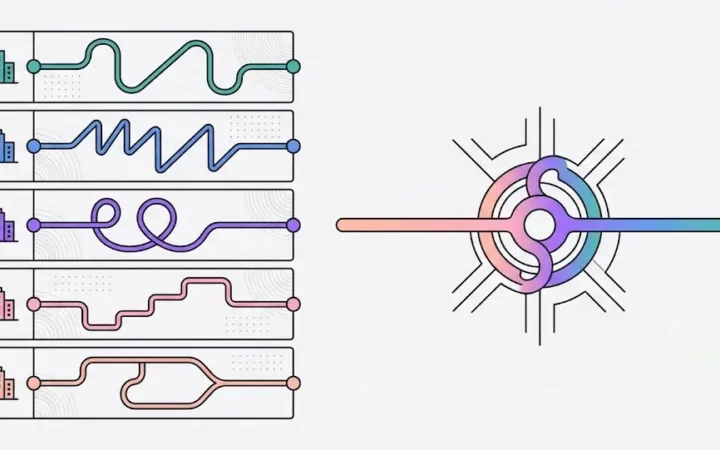
Why Every One of Your Locations Quietly Runs Differently — and What That Variance Costs
The premise of a DSO is standardization — and it's the thing DSOs are worst at, because process lives in habit, not in a system. Here's what that variance quietly costs across a group, and why a binder never fixes it but the system applying the standard does.

Your Best Office Manager Just Quit. Did Your Practice Just Forget Everything She Knew?
The most valuable knowledge in a practice isn't in the PMS — it's in the head of the person who's run the front desk for eight years, and it leaves when she does. Across a DSO that's a permanent bleed. Here's how to stop storing institutional knowledge in people who can quit.
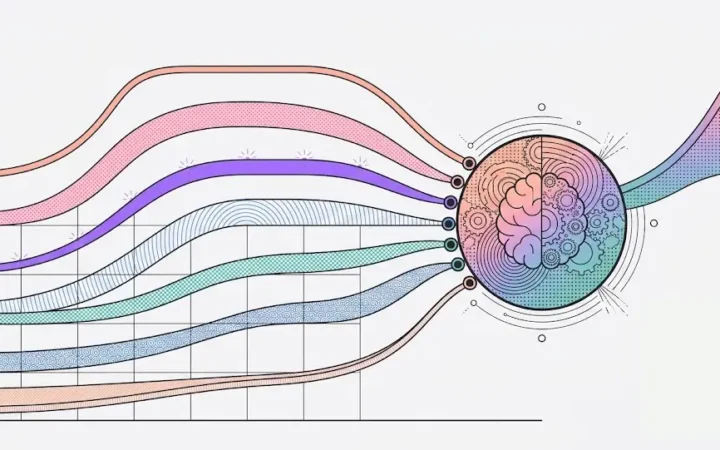
The Seven Structural Problems Every Multi-Location Dental Group Eventually Hits
Every dental group grows into the same wall. These are the seven structural problems almost every multi-location group eventually hits — knowledge loss, variance, the autonomy fight, multi-PMS integration, month-end blindness, board risk, and runaway overhead — and the single layer underneath that addresses all of them.