
The Elva Team
We build and pressure-test the AI that runs the modern dental front office — from the receptionist that answers the phone to the systems that keep the schedule and the ledger in sync.
The Elva Team

How an AI Finally Learns Your Practice — Not Dentistry in General
A general-purpose AI knows dentistry in the abstract — not how your practice actually runs. Here's how ELVA learns your specific practice: an AI-led interview for what your team says, your own data for what it actually does, the two reconciled, and nothing made a rule until you confirm it.

What “AI for Dentistry” Actually Requires: Inside the Architecture of a Practice Brain
Most "AI for dentistry" is a general-purpose chatbot with a dental prompt — fluent, ungrounded, and willing to guess. Here's what AI for dentistry actually requires at the architecture level: a neural-symbolic Practice Brain grounded in your real data and bound by your real rules.

Your Practice Runs on Ten Disconnected Tools. Here’s the Unified Dental Practice Software That Finally Replaces Them.
Your practice logs into ten tools a day, and your staff are the glue between them — which is where revenue and time quietly leak. Unified dental practice software replaces the glue with one shared brain: the operating system your whole practice runs on, not another tab.
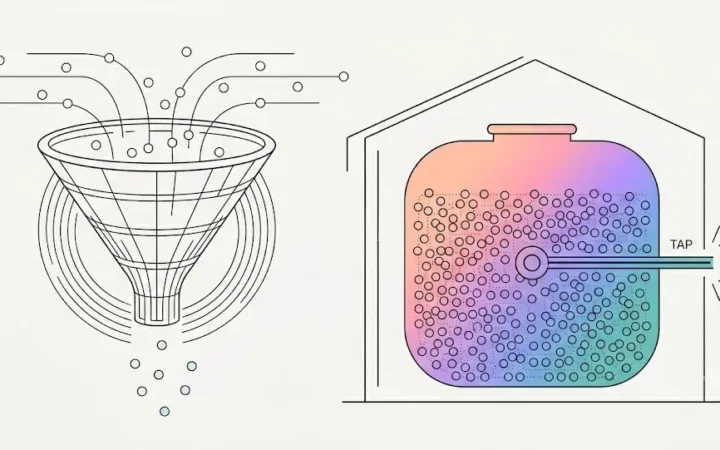
How to Reactivate Dental Patients You Already Have Instead of Buying New Leads
Dental groups spend heavily to acquire strangers while their most valuable list — overdue patients with diagnosed, unscheduled treatment — sits untouched in the PMS. Here's how to reactivate dental patients you already have, at a fraction of the cost of buying a lead.
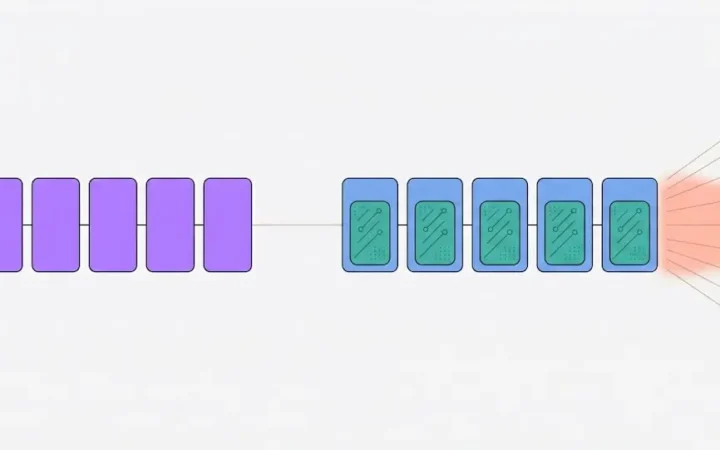
The “5 PM Trap”: How Ambient AI Quietly Reduces Dentist Charting Time to Zero After Hours
Dentists finish clinical care at five and finish charting at home, from memory, hours later. Here's how ambient AI reduces dentist charting time by capturing notes during the visit — turning the nightly "pajama time" backlog into a quick review before the provider leaves the operatory.
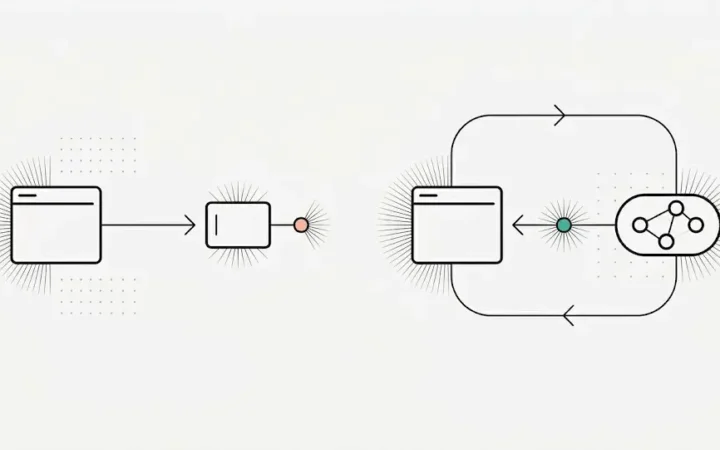
Read-Only Dental AI Is Where Automation Goes to Die: The Case for Bi-Directional Write-Back
Most dental AI can see your data but can't touch it — it surfaces an insight, then leaves the work to your staff. That's read-only dental AI, and it's where automation quietly dies. Here's the case for bi-directional write-back, paired with data you actually control.

Why Your Dental Front Desk Won’t Scale on Headcount — and What Actually Does
Hire more front-desk staff and it helps — until you add two locations and you're back where you started, payroll growing with your footprint. Here's how to scale a dental front desk for real: remove the work that never needed a person, and free your team for the work that does.

How to Collect Patient Payments at Time of Service Instead of Mailing Statements
A dollar collected in the chair is worth more than a dollar billed on a statement — because many statement dollars never arrive. Here's how to collect patient payments at the time of service: know the real number before checkout, and make paying a single tap.

How to Catch Insurance Underpayments Before They Erode Every Location
Payers quietly pay a few dollars under the contracted rate; acquired practices carry stale, wrong fee tables. One claim it's noise — across a group it's serious margin. Here's how to catch insurance underpayments at a scale no biller can match.

How to Reduce Dental Claim Denials by Fixing the Front Desk, Not Billing
When denials climb, everyone looks at billing — the wrong place. Most denials are born at check-in, days before the claim is filed. Here's how to reduce dental claim denials by fixing them upstream, where a thirty-second verification beats a costly rework cycle.