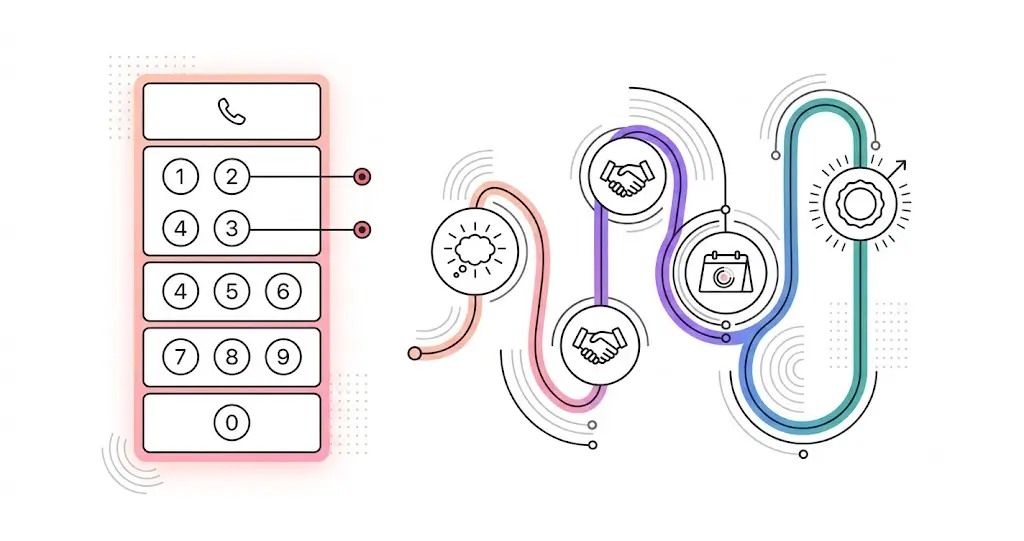
For years, “automated” patient messaging meant a broadcast with a keypad: the practice sent a reminder, the patient could answer YES or NO, and anything else fell on the floor. The patient who wanted to ask “can I come a little later?” or “is this covered on my new insurance?” was stuck — they’d give up, call during business hours, or quietly become a no-show. The reminder went out; the conversation never existed. Real two-way patient texting is a different thing in kind: a patient writes to the practice the way they’d text a friend, in plain language, and something on the other end understands, answers, and acts — in the same thread, in seconds.
That’s what ELVA’s messaging is: not a phone tree, not a keyword bot, not a form. A conversation with a knowledgeable receptionist who’s always available — over text and email alike.
The difference, in one exchange
The old way: “Your appointment is Tuesday at 2. Reply 1 to confirm, 2 to cancel.” The patient who needs to reschedule — or just has a question — has no move. With ELVA: the same reminder is the start of a dialogue. “Actually, can we push it to next week? And do I need to bring anything?” — and ELVA answers the question and offers new times, in the same thread, immediately. No menus, no codes, no waiting for office hours. Because it understands natural language, the patient never has to learn how to talk to it; they say what they mean, and real front-desk work gets done inside the thread — booking, rescheduling, confirming, answering.
Ease is the whole strategy. A channel patients actually use is a channel that absorbs the routine work the phone used to carry — fewer calls, fewer no-shows, fewer Monday-morning backlogs, because the patient texting at 9pm on a Sunday got a real answer and booked then and there.
What makes it safe to turn on
An AI that talks to patients in the practice’s name raises exactly the right questions, and the answers are structural:
- The practice decides what it may do — per channel. Every capability is a toggle the practice controls, channel by channel, with graceful redirects for anything switched off. No surprises, ever.
- It knows the patient — appropriately. For an existing patient, replies draw on their chart, so the conversation is personal and accurate rather than generic; every exchange lands on one unified timeline with calls and emails, so the team always sees the whole relationship.
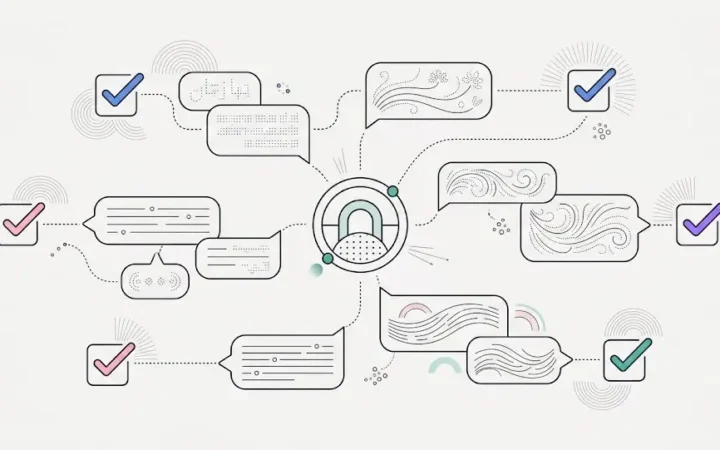
- It speaks the patient’s language. Any patient can write in their own language and get warm, accurate replies in kind — automatically.
- Humans stay in the loop. Sensitive topics are drafted and held for approval, emergencies are escalated immediately, and a team member can take over any conversation with one tap. Everything is logged.
- Email gets the same brain. The practice’s inbox is digested, auto-filed, and drafted under the same rules — without the email being copied anywhere.
Where this sits in the ELVA picture
Two neighbors are worth distinguishing. This is the patient-facing conversation channel; the conversational layer for the team — asking your own practice data questions in plain English — is its staff-facing sibling. And the channel is one half of message quality: what each message says is the ELVA Brain writing for one specific person, quality-checked before it sends. The channel acts; the Brain writes; the practice governs. That’s the whole design.
See it on the ELVA Two-Way Texting page.
Frequently Asked Questions
What is two-way patient texting?
Messaging where the patient can write in plain language — questions, reschedules, requests — and the practice’s side understands, answers, and acts in the same thread, immediately. The opposite of one-way reminders with keyword menus, where anything beyond “YES” falls on the floor.
What can a patient actually do over text with ELVA?
Get real work done: book a new appointment, reschedule or cancel within the practice’s policy, confirm, ask questions answered from the practice’s knowledge base, update insurance details, hear provider availability — completed in the conversation, not deferred to a callback.
Is the AI answering patients around the clock?
Yes — responses are immediate, 24/7. A patient texting Sunday night gets a real answer and can book on the spot, and the front desk arrives Monday to work already handled instead of an overnight backlog.
How does the practice keep control of what the AI says and does?
Structurally: every capability is toggled per channel by the practice, answers come only from the practice’s own knowledge base, sensitive replies are held for human approval, emergencies escalate to a person, staff can take over any thread in one tap — and every action is logged with a full audit trail.
Does this replace the phone?
It absorbs what shouldn’t have needed a call: confirmations, reschedules, routine questions, bookings. The phone — and the team — stay for the conversations that genuinely need a human voice, which is exactly where their time belongs.
Let the conversation actually be one. See ELVA Two-Way Texting, or what gets done inside the thread: booking by text.