The reason most practices hesitate to let AI talk to patients isn’t that the technology can’t — it’s that the owner can’t answer a simple question: “what, exactly, is it allowed to do in my name?” Vague assurances (“it’s smart, it knows its limits”) are precisely the wrong answer in healthcare. The right answer is a list you can read, toggle by toggle. That’s what it means to control an AI receptionist properly: not trusting its judgment, but authorizing its actions — explicitly, granularly, and per channel.
The capability matrix: authorization you can see
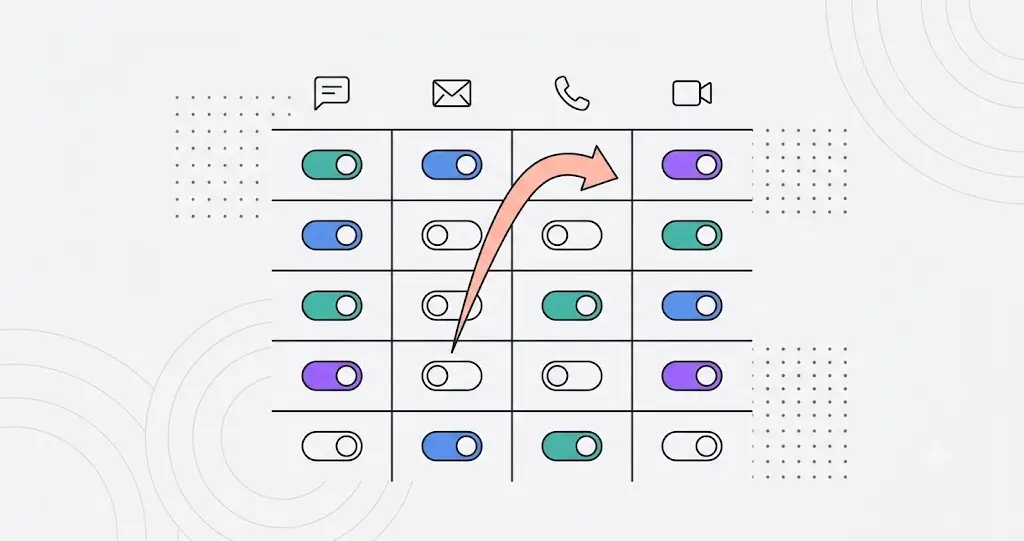
In ELVA’s AI Receptionist settings, every capability is a row — book an appointment, reschedule, cancel, quote pricing, share the in-network list, and so on — and every channel is a column: Phone, SMS, Email, Chat. The practice flips each capability on or off, per channel, with simple toggles. Each channel ends up with its own tailored set of permissions, entirely the practice’s choice.
The granularity matters because channels aren’t equal. A practice might be perfectly comfortable letting ELVA cancel an appointment over the phone — a real-time conversation with identity context — but not by email. So it switches email cancellation off, and when a cancellation request arrives by email, ELVA gracefully redirects it to the phone instead of actioning it. Nothing falls on the floor; nothing happens that wasn’t authorized. The patient gets a helpful answer; the practice gets its boundary, kept.
Control past the toggles
- Pricing, your way. A quote-style setting governs how fees are discussed — a starting-at floor, a range, or refer-to-staff to avoid quoting entirely.
- Your truth only. ELVA answers questions exclusively from the practice’s own knowledge base — it speaks the practice’s facts, never a guess.
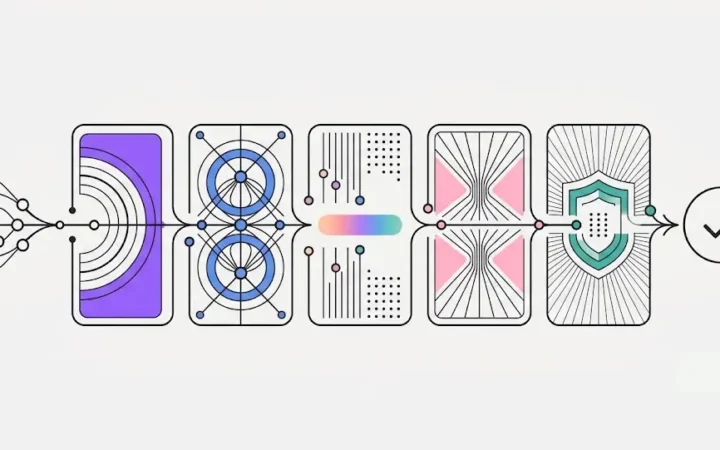
- Behavior guardrails. Separate settings govern emergency detection, practice rules, operational constraints, and compliance — the boundaries that hold regardless of what’s toggled.
- Live configuration. Changes apply on save. Tighten or loosen a permission and the next message obeys it.
The human layer: held, escalated, takeable
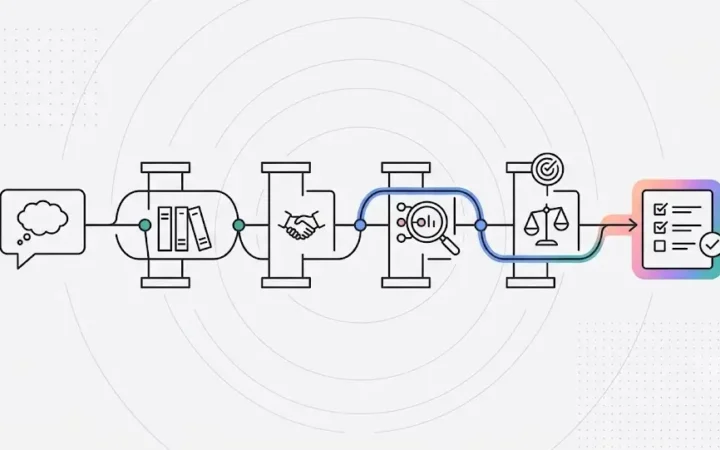
Authorization governs what runs on its own; a second layer governs what reaches people. Replies on topics the practice marks sensitive are drafted and held for approval — say never answer financial questions by email and ELVA prepares the draft and waits. Messages that signal a dental emergency are detected and escalated for immediate human attention. And any team member can take over any conversation, any time, with one tap. The same discipline that governs what an outbound message is allowed to say governs what the conversational side is allowed to do — two halves of one quality system.
And everything is on the record
Because ELVA acts in the practice’s name, the practice can see everything it does: a complete, timestamped trail of what was understood, what was drafted, what sent automatically, what was held, and which team member opened, replied, or took over. Even patient engagement on shared links — a form, a treatment plan — is visible, so follow-up is informed. Nothing happens in the dark, which is the operational meaning of trustworthy AI in a practice: not a promise of good behavior, but a record of actual behavior. The matrix is one chapter of the same idea that runs the whole front office — the practice sets the rules once; the system can’t drift from them.
See the settings themselves on the ELVA AI Receptionist page.
Frequently Asked Questions
How do you control what an AI receptionist can do?
With explicit authorization, not trust: a capability matrix where every action (book, reschedule, cancel, quote, and so on) is toggled on or off per channel — phone, SMS, email, chat — plus a quote-style setting, knowledge-base-only answers, behavior guardrails, and approval holds on anything the practice marks sensitive. The AI does what’s authorized; nothing else.
What happens when a patient asks for something the AI isn’t allowed to do on that channel?
A graceful redirect. If email cancellations are switched off, an email cancellation request is steered to the phone instead of actioned — the patient gets a helpful answer, and the practice’s boundary holds without anything falling through.
Can the AI answer questions it wasn’t taught?
No — answers come exclusively from the practice’s own knowledge base. If the practice hasn’t provided the fact, ELVA doesn’t improvise one; the question routes to a human instead.
How do approval holds work?
The practice marks topics as requiring human approval — for example, never answer financial questions by email — and ELVA drafts the reply but holds it for a quick staff review instead of sending. Emergencies skip the queue entirely and escalate for immediate attention.
Can the practice see what the AI did and why?
Everything: a timestamped audit trail of what was understood, drafted, sent, and held, plus who on the team opened, replied, or took over each thread — and even when a patient opened a shared link. Accountability is recorded, not promised.
Authorize, don’t hope. See the ELVA AI Receptionist, or the philosophy underneath: AI that prepares, humans who decide.