
AI Infrastructure
AI Infrastructure
AI on the Phones Doesn’t Mean Humans Off the Hook
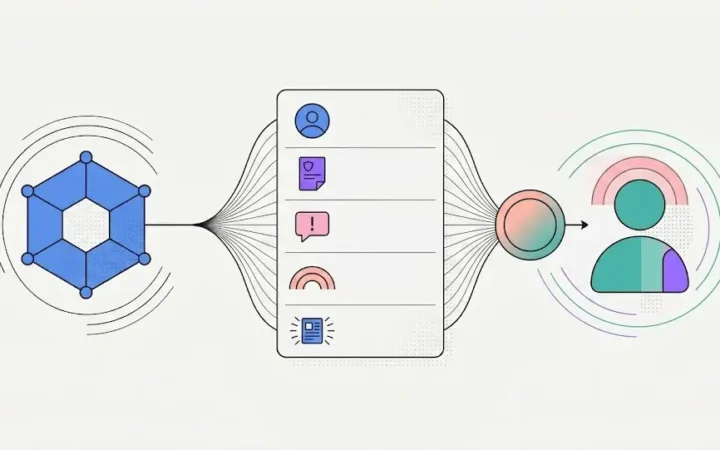
The real reason practices hesitate to put AI on the phones is the nightmare call. Here's what makes it safe to turn on: warm transfers with full context, a review mode that earns trust before go-live, one-tap takeover, and a capability matrix that sets exactly what the AI may do on each channel.
The Most Valuable Answer in Dental RCM Is “I Don’t Know”
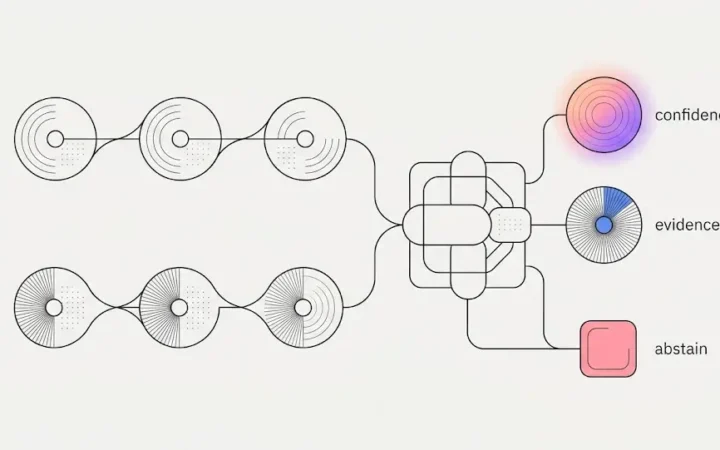
Coverage determination isn't a model call — it's a data problem with two competing sources of truth and an obligation to be honest about uncertainty. Inside ELVA's RCM engine: derived payer-behavior rules, a judge that reviews every extracted rule, and a decision engine that abstains rather than guesses.
Under the Hood: The Engineering Behind the Practice Brain, for Technical Evaluators
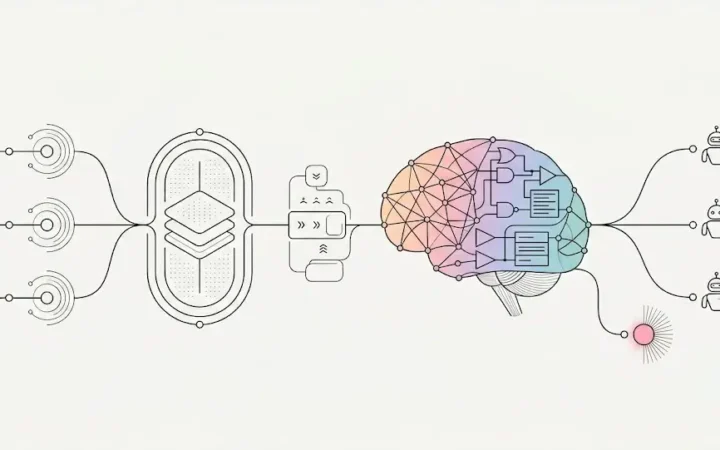
Most "AI for dentistry" pitches give a technical evaluator nothing to evaluate. This is the opposite: the engineering behind ELVA's Practice Brain — neural-symbolic core, multi-agent shared memory, two-source knowledge acquisition, scoped-precedence governance, tiered PMS integration, and the security model — with every limit stated plainly.
Read-Only Dental AI Is Where Automation Goes to Die: The Case for Bi-Directional Write-Back
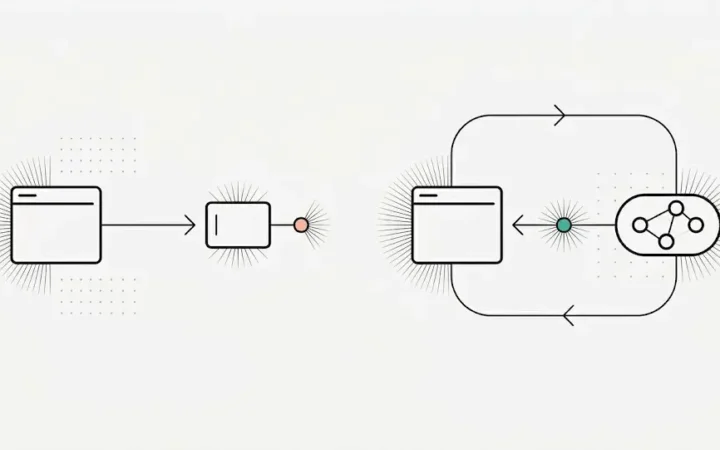
Most dental AI can see your data but can't touch it — it surfaces an insight, then leaves the work to your staff. That's read-only dental AI, and it's where automation quietly dies. Here's the case for bi-directional write-back, paired with data you actually control.